
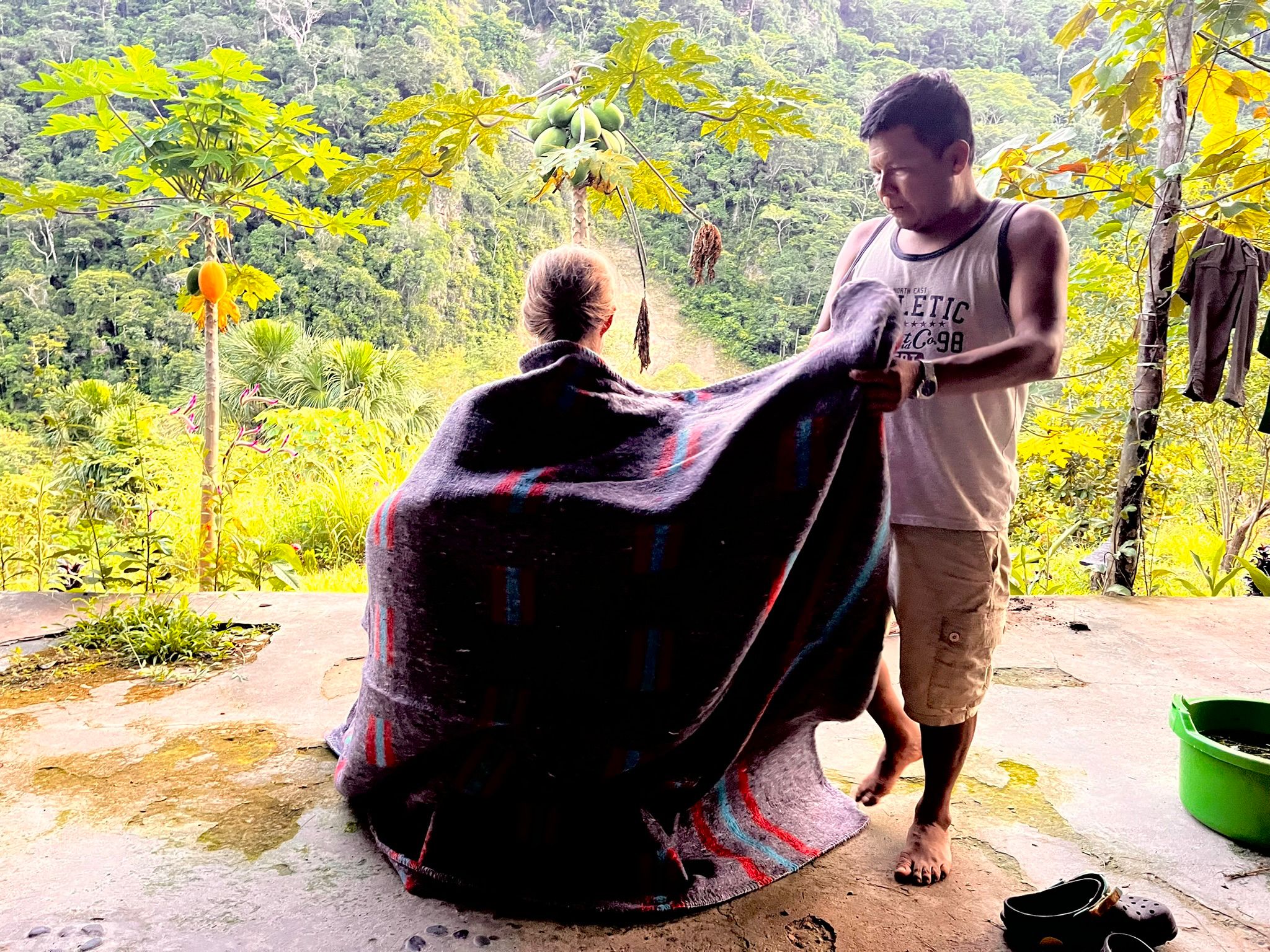
Shamanic clothing refers to traditional ceremonial garments worn by shamans and spiritual practitioners during healing rituals and sacred ceremonies. These garments serve as more than decorative attire; they function as sacred tools that help practitioners connect with spiritual realms, honour indigenous wisdom, and channel ancestral energy. Authentic shamanic clothing carries deep cultural significance across various indigenous traditions, from Amazonian curanderos to Andean paqos, and each element is chosen with intention to support the spiritual work being performed.
What is shamanic clothing and why is it significant?
Shamanic clothing comprises traditional garments specifically worn by shamans and spiritual healers during ceremonies, rituals, and healing sessions. These ceremonial garments are not ordinary clothing but rather sacred tools that help practitioners enter altered states of consciousness, establish spiritual protection, and signal their role as intermediaries between the physical and spirit worlds. The clothing serves to honour the lineage and cultural traditions from which the practices originate.
The significance of shamanic attire extends beyond aesthetics. In indigenous cultures, what a shaman wears during ceremony directly affects their ability to perform healing work. The garments help create a boundary between ordinary reality and ceremonial space, signalling to both the practitioner and participants that sacred work is beginning. This shift in attire supports the psychological and energetic transition necessary for deep spiritual practice.
Different indigenous traditions have distinct approaches to ceremonial clothing. Amazonian shamans may wear simple cotton garments adorned with specific plant-dyed patterns, whilst Andean paqos often incorporate woven textiles featuring sacred geometric designs. Siberian shamans traditionally wore elaborate costumes with metal ornaments that created sound during movement, helping to facilitate trance states. Each tradition’s clothing reflects its unique relationship with the spirit world and the natural environment.
Respecting the cultural origins of shamanic clothing is essential. These garments represent centuries of spiritual knowledge and should be approached with reverence rather than as fashion statements. When practitioners wear traditional attire, they are connecting with a living lineage of healers and acknowledging the indigenous communities who have preserved these practices through generations of colonisation and cultural suppression.
What are the traditional elements found in shamanic clothing?
Traditional shamanic clothing incorporates natural materials that carry spiritual significance and energetic properties. Common elements include handwoven textiles made from plant fibres or animal wool, leather or skins from sacred animals, feathers representing connection to the sky realm, seeds and shells for protection, and plant-based dyes that hold ceremonial meaning. Each material is chosen intentionally based on its spiritual properties and the specific work the shaman performs.
Sacred symbols and patterns form a crucial component of shamanic attire. The Shipibo people of the Peruvian Amazon create intricate geometric designs called kené, which are considered visual representations of the icaros (healing songs) sung during ayahuasca ceremonies. These patterns are not merely decorative but function as energetic maps that guide healing work. Similarly, Andean textiles feature tocapu patterns that represent cosmological concepts and maintain connection with mountain spirits and natural forces.
Protective amulets and ritual jewellery serve specific functions in ceremonial work. Shamans often wear necklaces of seeds, stones, or teeth that provide spiritual protection during their journeys into non-ordinary reality. Metal ornaments, particularly in Siberian and Central Asian traditions, create sound that aids in achieving trance states and calls helpful spirits. These elements are not randomly chosen but earned through training, initiation, or gifted by teacher shamans as markers of spiritual development.
Ceremonial headdresses and head coverings hold particular importance across many traditions. Feathered crowns connect the practitioner with bird spirits and the upper world, whilst specific colours signal different aspects of healing work. In some Amazonian traditions, plant crowns made from sacred leaves are worn to invoke the spirits of those plants. The head is considered a primary point of spiritual reception, making head adornments especially significant in facilitating connection with non-physical realms.
Colour symbolism varies across traditions but consistently carries intentional meaning. Red often represents life force and grounding, white signifies purity and spiritual clarity, black connects with mystery and the void, whilst green links to plant spirits and healing. The specific colours worn during ceremony may reflect the type of work being performed, the spirits being invoked, or the energetic needs of the participants receiving healing.
How does shamanic clothing support spiritual practice and healing work?
Ceremonial clothing creates an energetic boundary that helps practitioners transition from ordinary consciousness into the focused state required for healing work. When a shaman puts on their ceremonial attire, this physical act signals to their subconscious mind and energetic body that they are stepping into their role as spiritual intermediary. This psychological shift is essential for accessing the altered states of consciousness necessary for shamanic journeying, divination, and energy healing.
The materials and symbols in shamanic clothing provide spiritual protection during ceremonial work. When practitioners enter non-ordinary reality to perform soul retrieval, communicate with spirits, or clear negative energies, they encounter forces that require energetic boundaries. Traditional garments act as a form of spiritual armour, helping to shield the practitioner from harmful influences whilst they navigate these realms. This protection is not superstitious belief but a practical tool developed through centuries of experiential knowledge.
Wearing traditional attire strengthens the practitioner’s connection to their lineage and the spirits they work with. In shamanic traditions, knowledge is transmitted through direct experience and relationship with teacher shamans and plant spirits. When practitioners wear clothing that honours these lineages, they acknowledge the chain of transmission and invite the support of ancestral healers who have worn similar garments. This connection provides guidance, wisdom, and energetic support during challenging healing work.
The sensory experience of ceremonial clothing enhances focus and presence during rituals. The weight of beaded necklaces, the sound of shells or metal ornaments with movement, the texture of natural fibres against skin—all these sensations help anchor the practitioner in the present moment. This embodied awareness is crucial for maintaining clear perception whilst navigating altered states, ensuring the shaman remains grounded enough to guide participants safely through ceremonial experiences.
For ceremony participants, the visual presence of a practitioner in traditional attire creates psychological safety and sets clear expectations. Seeing someone dressed in ceremonial clothing signals that sacred work is occurring, helping participants enter the receptive state necessary for healing. This visual cue activates trust and openness, allowing deeper therapeutic and spiritual processes to unfold during sessions involving practices like energy cleansing, plant medicine ceremonies, or shamanic counselling.
What should you consider when choosing or wearing shamanic clothing?
Cultural respect and avoiding appropriation must be your primary consideration when approaching shamanic clothing. These garments represent living spiritual traditions that indigenous communities have fought to preserve despite centuries of persecution. Wearing ceremonial attire from a tradition you have not been initiated into or trained within can constitute disrespectful appropriation. Before wearing any traditional shamanic clothing, ensure you have received proper training, permission, or initiation from authentic teachers within that specific lineage.
Sourcing authentic, ethically-made garments that support indigenous communities is essential. We believe in fair trade practices that ensure artisans receive appropriate compensation for their sacred work. When purchasing shamanic-inspired clothing or ceremonial items, verify that they are created by indigenous craftspeople or with their direct involvement and consent. Mass-produced imitations often exploit sacred symbols whilst providing no benefit to the communities who originated these traditions.
Understanding the specific meanings of symbols and designs prevents misuse of sacred elements. Not all indigenous patterns are appropriate for general wear—some designs are reserved for initiated practitioners, specific ceremonies, or particular healing purposes. The Shipibo kené patterns, for example, are considered visual representations of healing songs and carry specific energetic functions. Wearing such patterns without understanding their purpose or having proper training can be spiritually and culturally inappropriate.
Consider when ceremonial clothing is appropriate to wear. Traditional shamanic attire is meant for sacred contexts—ceremonies, healing sessions, spiritual retreats, or teaching environments—not casual daily wear or social events. Wearing ceremonial garments outside appropriate contexts diminishes their sacred function and can be seen as disrespectful to the traditions they represent. If you have been trained in shamanic practices, reserve your ceremonial clothing for actual spiritual work rather than display.
If you are drawn to incorporating shamanic-inspired elements into your spiritual practice, focus on building authentic relationships with indigenous teachers and communities. Many practitioners offer training programmes that include guidance on appropriate ceremonial dress as part of proper initiation. This approach ensures you understand not just what to wear, but why each element matters and how it functions within the broader context of the spiritual work you are learning to perform with integrity and respect.
Shamanic clothing serves as a bridge between worlds, honouring ancient wisdom whilst supporting contemporary spiritual practice. By approaching these sacred garments with respect, seeking authentic sources, and understanding their cultural significance, we can participate in these traditions in ways that honour indigenous communities and maintain the integrity of practices that have guided healing work for countless generations. Whether you are exploring shamanic practices or deepening existing spiritual work, let reverence and cultural humility guide your choices regarding ceremonial attire.
Recent Comments