
Have you ever noticed how putting on certain clothing instantly shifts your mood or mindset? Perhaps a favourite meditation shawl helps you settle into stillness, or a special piece of jewellery reminds you of your intentions. This isn’t mere coincidence. Throughout human history, sacred garments and shamanic clothing have served as powerful tools for consciousness transformation, bridging the ordinary and the sacred. Whilst modern psychology is only beginning to understand these mechanisms, indigenous traditions have long recognised that what we wear during ceremony profoundly influences our inner experience. In this exploration, you’ll discover the science and tradition behind how ritual clothing affects consciousness, and learn practical ways to integrate these principles into your own spiritual practice with authenticity and respect.
What defines sacred garments in shamanic practice?
Sacred garments differ fundamentally from everyday clothing through their intentional creation, symbolic meaning, and designated ceremonial purpose. In shamanic attire, every element carries significance: the materials chosen, the colours selected, the symbols embroidered or painted, and the rituals performed during their creation.
Traditional indigenous ceremonial clothing often incorporates natural materials such as cotton, wool, leather, or plant fibres, each selected for specific energetic properties. These materials connect the wearer directly to the natural world, embodying the shamanic principle that everything in nature possesses consciousness and spirit. The Shipibo people of the Amazon, for instance, create intricate geometric patterns on their ceremonial textiles that represent cosmic maps and healing songs made visible.
What distinguishes ritual garments from ordinary dress is the intention woven into their very fabric. These pieces are typically consecrated through specific rituals, blessed by experienced practitioners, or created during sacred ceremonies. They’re reserved exclusively for spiritual work, never worn casually, which preserves their energetic integrity and strengthens their psychological association with altered states of consciousness.
Sacred clothing serves as a threshold between worlds, a physical reminder that we are stepping from ordinary reality into sacred space where healing and transformation become possible.
How clothing influences psychological states
The phenomenon of clothing affecting our mental states has a scientific foundation in what researchers call enclothed cognition. This theory demonstrates that the clothes we wear systematically influence our psychological processes, including attention, perception, and behaviour. When you don a piece of ceremonial clothing, you’re not simply covering your body; you’re activating a complex psychological mechanism that can genuinely alter your consciousness.
The mind-body connection operates bidirectionally. Just as our mental state influences our posture and movement, our physical experience, including what touches our skin, sends powerful signals back to our brain. The weight of a ceremonial robe, the texture of natural fibres against your skin, or the restriction of movement from traditional dress all communicate information to your nervous system that influences your internal state.
Symbolic meaning amplifies these effects exponentially. When you understand that a particular garment represents protection, purification, or connection to ancestral wisdom, your brain creates neural associations between wearing that item and entering specific states of consciousness. Over time, these associations strengthen through repetition, making the transition into meditative or ceremonial states increasingly effortless.
Consider how this works in practice: a meditation shawl consistently worn during practice becomes a psychological anchor. The moment you place it around your shoulders, your nervous system recognises the signal and begins shifting towards the calm, focused state you’ve cultivated during countless previous sessions. This isn’t superstition; it’s classical conditioning combined with intentional practice.
The sensory science of ceremonial attire
Your body possesses remarkable sensitivity to sensory input, and shamanic dress leverages this through carefully chosen tactile, visual, and proprioceptive elements. Each sensory dimension contributes to the overall consciousness-shifting effect of ritual clothing.
Tactile sensations form the foundation of embodied experience. Natural fibres like cotton, wool, or plant-based materials create different sensory experiences than synthetic fabrics. They breathe differently, move with your body uniquely, and often carry subtle textures that maintain your awareness in the present moment. This sensory grounding proves particularly valuable during ceremony, when the mind might otherwise drift or become overwhelmed.
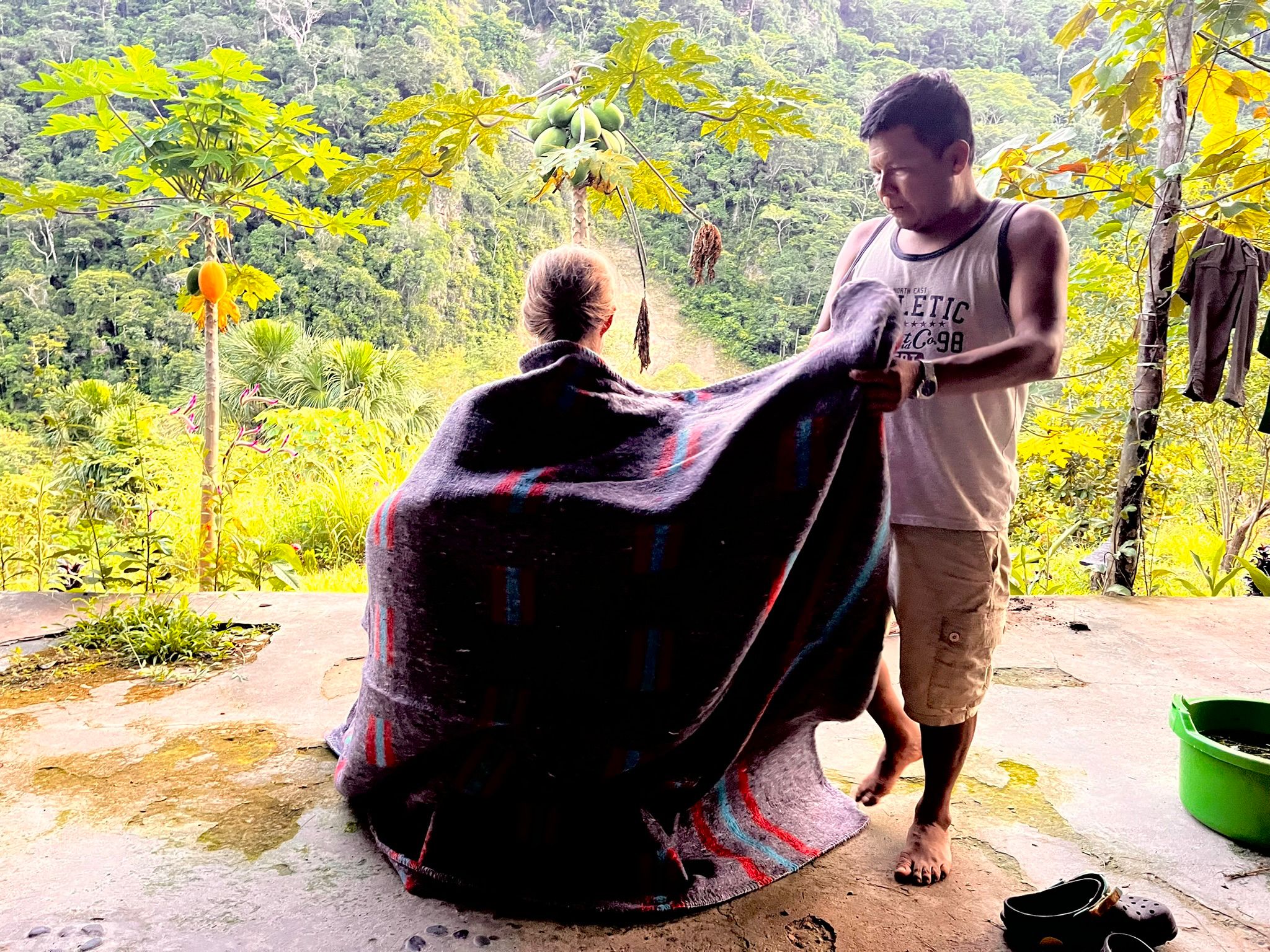
Temperature regulation plays a surprisingly significant role in consciousness states. Shamanic traditions often incorporate layers that can be adjusted, recognising that body temperature fluctuates during altered states. The warmth of a ceremonial blanket or the cooling effect of loose-fitting natural fabrics helps maintain the delicate balance needed for deep spiritual work.
Movement restriction or freedom profoundly affects your internal experience. Some ceremonial clothing deliberately limits movement, encouraging stillness and inward focus. Other traditions favour flowing garments that enhance the sense of energy moving through and around the body. Both approaches use proprioception, your body’s sense of position in space, to guide consciousness in specific directions.
Visual symbolism communicates directly with your subconscious mind. Sacred symbols, traditional patterns, and meaningful colours bypass analytical thinking and speak to deeper layers of consciousness. The geometric patterns found in indigenous textiles aren’t merely decorative; they represent spiritual concepts, healing frequencies, and connections to the natural world that your psyche recognises on an intuitive level.
Why ritual preparation enhances ceremony effectiveness
The act of dressing in sacred garments constitutes a ceremony within itself, a threshold ritual that marks your transition from ordinary to sacred time and space. This preparatory phase proves just as important as the ceremony itself, creating psychological boundaries that protect and enhance your spiritual experience.
When you intentionally dress for ceremony, you’re engaging in what psychologists call cognitive framing. You’re signalling to your entire being that what follows differs from everyday activities. This mental shift activates different neural networks, releases you from habitual thinking patterns, and opens receptivity to experiences beyond your ordinary consciousness.
The sequential nature of ritual dressing matters tremendously. Each garment added becomes a step deeper into ceremonial consciousness. Perhaps you begin by cleansing yourself, then don a base layer whilst setting intentions, add symbolic pieces whilst calling in spiritual support, and finally complete your shamanic attire with items representing protection or connection. This progression mirrors the journey from surface consciousness into deeper states of awareness.
Ritual preparation also builds what indigenous traditions call energetic integrity. By reserving specific clothing exclusively for spiritual practice, you prevent the energetic contamination that occurs when sacred and mundane activities blur together. Your ceremonial garments become vessels that hold and accumulate the positive energy of your practice, growing more powerful with each use.
Integrate sacred clothing into personal practice
Creating your own sacred clothing practices requires thoughtfulness, cultural respect, and personal authenticity. You needn’t replicate indigenous traditions exactly; rather, you can honour the principles whilst developing approaches that resonate with your unique path and circumstances.
Begin by selecting materials mindfully. Natural fibres carry different energetic qualities and connect you more directly to the earth. Consider cotton for purity and breathability, wool for warmth and grounding, or plant-based fabrics for their connection to green growing things. The material itself becomes part of your practice, a physical reminder of your relationship with the natural world.
Choose or create pieces with personal symbolic meaning. Perhaps a shawl in a colour that represents your intentions, a piece of jewellery containing stones with properties that support your practice, or garments featuring symbols meaningful to your spiritual journey. The key lies in genuine personal resonance rather than superficial appropriation of cultural symbols you don’t fully understand.
Develop your own dressing ritual. This might include cleansing your garments with sacred smoke, storing them in a dedicated space, or speaking intentions whilst putting them on. Create a sequence that feels natural yet deliberate, building associations between each step and deepening states of consciousness. Over time, this ritual becomes a powerful tool for quickly accessing meditative or ceremonial states.
Respect cultural boundaries thoughtfully. Whilst we can learn from indigenous wisdom, certain practices and garments belong specifically to those traditions and shouldn’t be casually adopted. Focus on understanding the principles, the “why” behind traditional practices, and apply those principles in ways that honour both the source traditions and your own authentic spiritual expression. When working with practices rooted in specific cultures, seek guidance from authentic teachers who can help you approach these traditions with appropriate respect and understanding.
As you deepen your practice with ritual clothing, you’ll discover that these garments become trusted companions on your spiritual journey. They’ll carry the energy of countless ceremonies, hold space for your transformation, and serve as tangible bridges between your everyday self and your deepest spiritual essence. The science and tradition converge in this simple truth: what we wear matters, not because of superstition, but because consciousness responds to the intentional, symbolic, and sensory dimensions of our lived experience. By bringing awareness and respect to your choices in ceremonial clothing, you create powerful tools for the authentic spiritual growth you seek.
Recent Comments