
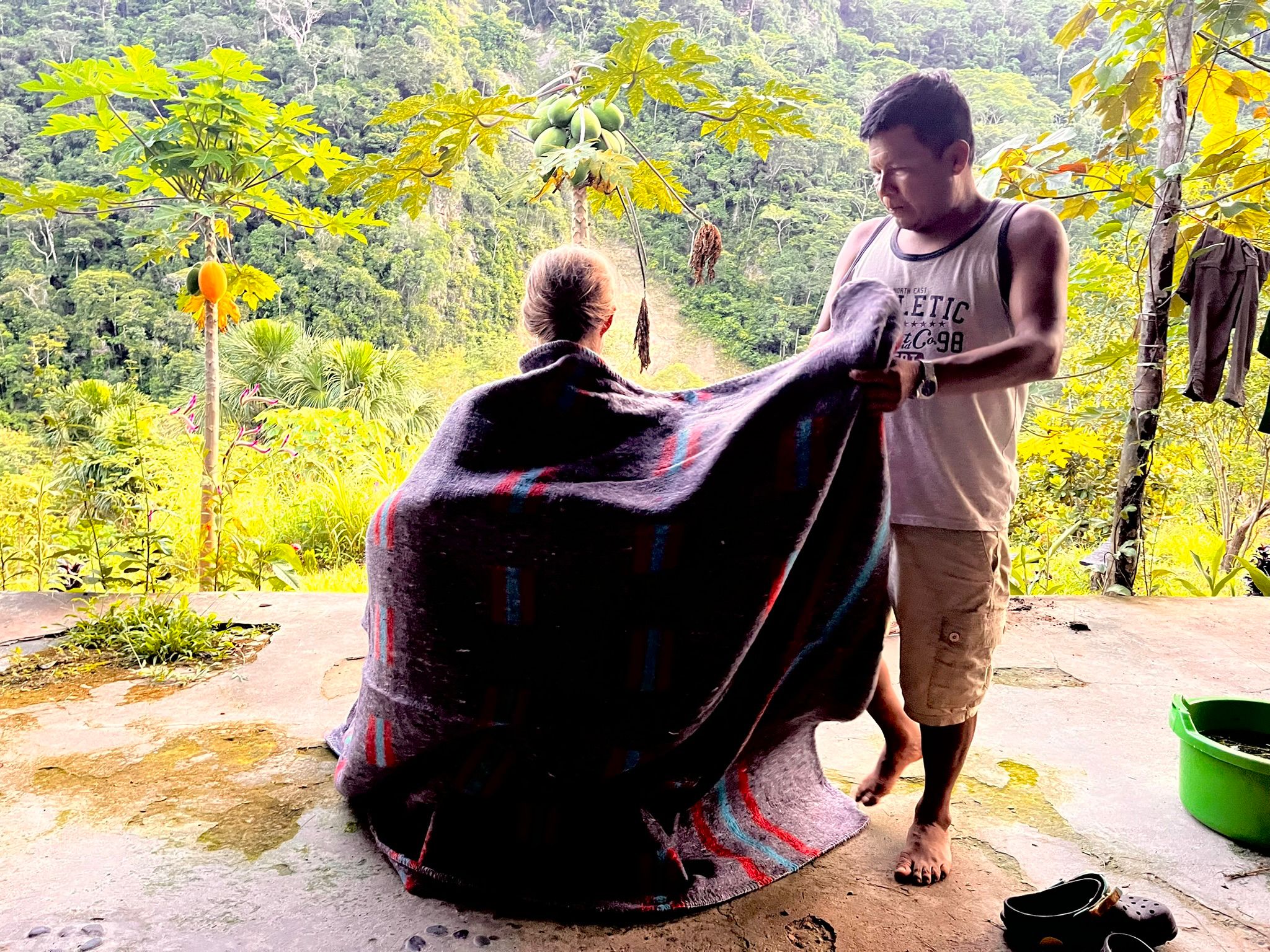
When you step into sacred space for meditation, breathwork, or ceremony, have you ever wondered whether what you wear matters? For many spiritual practitioners in Finland exploring shamanic traditions, the question of ceremonial clothing traditions represents both practical curiosity and deeper ethical consideration. Understanding shamanic clothing traditions isn’t merely about aesthetics; it’s about recognising how indigenous cultures have used spiritual practitioner clothing as a bridge between ordinary consciousness and sacred experience. This guide offers Finnish practitioners a respectful framework for approaching traditional shamanic garments whilst developing an authentic personal practice that honours indigenous wisdom without appropriation.
What defines authentic shamanic clothing?
Authentic traditional shamanic garments emerge from specific cultural contexts, each with distinct spiritual purposes and symbolic meanings. Unlike commercial interpretations often found in wellness shops, genuine shamanic attire serves functional roles within living spiritual traditions rather than decorative purposes.
The materials themselves carry significance. Indigenous practitioners traditionally use natural fibres, animal skins, feathers, and plant-based dyes sourced from their local environments. These materials aren’t chosen arbitrarily; they represent relationships with the natural world and specific spirit allies. Amazonian shamans might wear garments adorned with patterns representing plant spirits they’ve built relationships with through years of dietas, intensive periods of fasting and plant training. Siberian practitioners, from whom the word “shaman” originates through the Tungus term meaning “one who knows”, traditionally wore reindeer hide and bird feathers symbolising journeys between worlds.
Symbols and patterns woven into ceremonial clothing traditions function as more than decoration. They serve as spiritual maps, protection mechanisms, and visual representations of cosmological understanding. The Shipibo people of the Amazon, for instance, create intricate geometric patterns called kené that are considered visual manifestations of the icaros, sacred healing songs used in ayahuasca ceremonies. These patterns aren’t merely artistic; they’re understood as energetic blueprints that affect the wearer’s spiritual state.
Authentic shamanic clothing represents living relationships with spirit allies, cultural lineage, and years of training rather than simply aesthetic choices or spiritual fashion statements.
The distinction between authentic traditional garments and commercial interpretations centres on lineage and function. Genuine shamanic attire belongs to practitioners who’ve undergone specific initiations, training, and commitments within their cultural context. The Kero Quechua tradition, for example, includes the Mosok Karpai, a new shaman initiation involving vows of lifelong service to community and planet. The clothing worn following such initiations carries the weight of these commitments and the authority granted through proper transmission.
Why clothing matters in shamanic ceremonies
The role of spiritual ceremony attire extends far beyond superficial symbolism. Within shamanic practices, ceremonial clothing functions as a practical tool for consciousness transformation, energetic protection, and role embodiment.
Clothing creates a boundary marker between ordinary and sacred space. When a practitioner dons specific garments for ceremony, this physical act signals to both conscious and subconscious mind that a transition is occurring. This psychological function shouldn’t be underestimated; the ritual of changing clothes helps practitioners shift from everyday consciousness into the focused, receptive state necessary for spiritual work. Think of it as similar to how changing into workout clothes prepares your body and mind for physical exercise, yet operating on a deeper, more subtle level.
Protection represents another crucial function of traditional shamanic dress code elements. Shamanic work involves entering altered states and engaging with non-ordinary reality, practices that indigenous traditions recognise as requiring safeguards. Specific materials, symbols, and construction methods are believed to offer energetic protection during vulnerable states. Amazonian practitioners often wear garments with particular plant medicines woven into the fabric or sewn into pouches, maintaining protective relationships with plant spirits throughout ceremony.
The embodiment aspect proves particularly fascinating. Shamanic traditions worldwide recognise that consciousness isn’t separate from the body; physical form influences spiritual experience. Wearing specific garments helps practitioners embody the qualities and connections those garments represent. A practitioner wearing feathers might more easily access the perspective of birds or the quality of flight in spiritual journeys. This isn’t mere imagination; it’s a sophisticated technology for consciousness transformation developed over centuries.
Consider how clothing affects the energetic field. Many shamanic traditions view humans as surrounded by subtle energy bodies that extend beyond physical form. Ceremonial clothing is understood to interact with these fields, potentially amplifying, focusing, or protecting them. The Kero Quechua tradition emphasises energy cleansing as regular spiritual hygiene, and the garments worn during these practices are considered part of the cleansing technology itself.
How to approach traditional attire respectfully
For Finnish practitioners drawn to indigenous spiritual clothing, navigating the line between cultural appreciation and appropriation requires thoughtful consideration and ethical frameworks. The question isn’t whether you can engage with these traditions, but how to do so with integrity.
Understanding lineage proves essential. Shamanism isn’t a single tradition but rather a broad term for indigenous spiritual practices focused on direct communication with the spirit world. As an experiential rather than dogmatic tradition, shamanism has no single holy text or universal structure; practices differ by region, teacher, and lineage. This means that engaging respectfully requires understanding which specific tradition you’re approaching and whether you have genuine connection to its teachings through proper transmission.
Ask yourself these questions before adopting elements of shamanic clothing traditions:
- Have I received teachings directly from practitioners within this tradition, or am I borrowing symbols without understanding?
- Does wearing this garment represent a genuine relationship with the spirits, teachers, and practices it symbolises?
- Am I seeking authentic spiritual development or aesthetic appeal?
- Would practitioners from this tradition recognise my use as respectful or as appropriation?
Sourcing considerations matter significantly. When possible, obtain traditional items directly from indigenous artisans and communities, ensuring fair compensation and sustainable practices. We prioritise direct connections with indigenous communities, supporting traditional craftspeople whilst preserving cultural heritage. This approach ensures authenticity whilst providing sustainable livelihoods to those maintaining these traditions.
For Finnish practitioners, developing personal spiritual attire that doesn’t appropriate indigenous traditions offers a meaningful alternative. Consider creating spiritual practitioner clothing that draws from your own cultural heritage, local environment, and personal spiritual relationships. Finland possesses rich shamanic traditions, including the Sámi noaidi practices. Exploring these northern traditions might prove more culturally appropriate than adopting Amazonian or Siberian practices without proper initiation.
If you’ve received genuine teachings within a specific lineage, wearing garments appropriate to that tradition becomes acceptable when done with proper understanding and permission. Modern shamanic teachers, including those blending traditions like Quechua teachings with Western approaches, often provide guidance on appropriate attire for their students. The key remains maintaining the relationship between clothing, practice, and proper transmission rather than treating garments as costumes.
Integrate ceremonial clothing into your practice
Creating a meaningful ritual wardrobe that supports deeper spiritual connection without cultural appropriation requires practical consideration alongside ethical awareness. For practitioners in Finland, climate considerations, personal comfort, and authentic spiritual development all factor into implementation.
Begin by establishing clear intention for your ceremonial clothing. What qualities do you wish to embody during spiritual practice? What boundaries do you want to create between ordinary and sacred time? Your answers will guide practical choices. Perhaps you designate a simple natural fibre robe worn only during meditation and breathwork, creating that psychological boundary marker between everyday consciousness and spiritual focus.
Natural materials generally prove most suitable for shamanic attire Finland contexts. Linen, wool, cotton, and other breathable fabrics allow comfortable extended sitting during meditation whilst maintaining the connection to natural world that shamanic practices emphasise. Finnish winters present unique challenges; layering natural fibres provides warmth without sacrificing the energetic qualities traditional practices value.
Colour choices can reflect personal spiritual development and intentions. Many traditions associate specific colours with directions, elements, or spiritual qualities. White often represents purity and new beginnings; black can symbolise mystery and the void from which creation emerges; earth tones connect with grounding and stability. Rather than appropriating specific colour systems from indigenous traditions, develop your own meaningful associations through meditation and personal experience.
Consider creating a simple ceremonial wardrobe that includes:
- A dedicated meditation shawl or robe that signals transition into practice
- Comfortable loose clothing allowing unrestricted breathing during breathwork
- A special item, perhaps a naturally dyed scarf or handcrafted piece, that represents your commitment to spiritual development
- Practical layers suitable for Finnish climate if practising outdoors
The ritual of preparing for practice matters as much as the clothing itself. Create a simple ceremony around changing into your spiritual attire: perhaps lighting a candle, taking three conscious breaths, or speaking a personal intention. This transforms clothing from mere fabric into a tool for consciousness transformation.
Maintenance of ceremonial clothing deserves attention. Many traditions suggest keeping spiritual garments separate from everyday clothes, washing them mindfully, and treating them with respect. This isn’t superstition; it’s practical psychology that reinforces the sacred nature of your practice and maintains clear boundaries between ordinary and ceremonial contexts.
As your practice deepens, your relationship with ceremonial clothing will naturally evolve. You might feel called to add elements that represent personal spiritual experiences, relationships with nature spirits in Finnish forests, or symbols emerging from your own meditation practice. This organic development represents authentic spiritual growth rather than appropriation, as it arises from genuine experience rather than borrowed aesthetics.
Remember that the most important aspect of spiritual ceremony attire isn’t its appearance but the consciousness you bring to wearing it. Indigenous shamanic traditions emphasise direct experience and personal responsibility over external forms. Your ceremonial clothing serves your spiritual development; it doesn’t define it. Approach this aspect of practice with the same sincerity, respect, and commitment to authentic growth that characterises genuine shamanic work across all traditions.
Recent Comments