
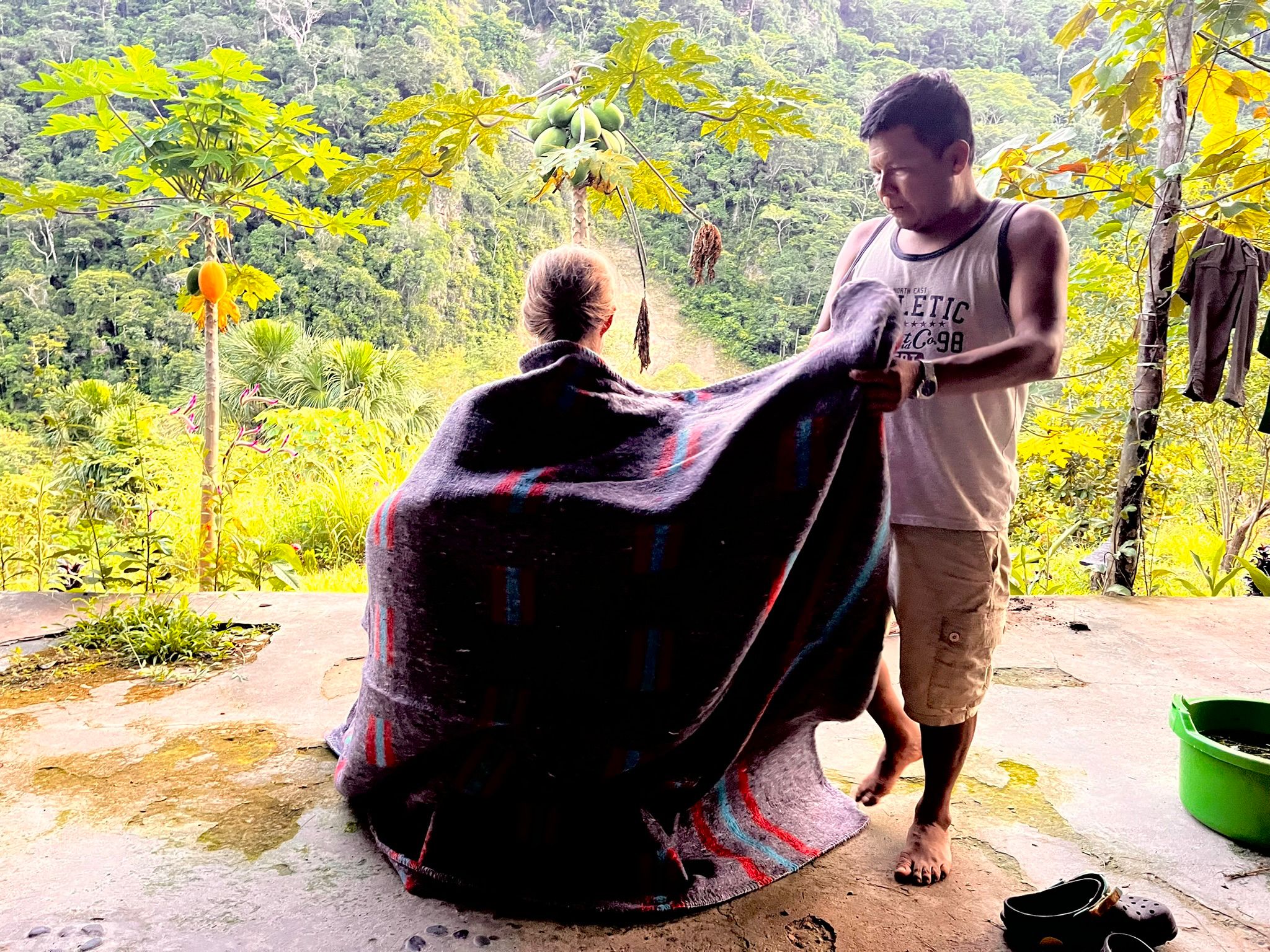
When you step into a sacred ceremony, the clothing worn by the shaman isn’t merely decorative. Each feather, bead, and woven pattern carries centuries of spiritual wisdom, connecting the practitioner to ancestral knowledge and the spirit world. Across indigenous cultures, shamanic clothing practices reveal profound differences shaped by environment, spiritual cosmology, and ceremonial purpose. Understanding these variations offers deep insights into how indigenous traditions honour their unique relationships with nature, healing, and the unseen realms. As you explore these diverse practices, you’ll discover that every element of traditional ceremonial dress serves a specific spiritual function, transforming cloth and adornment into powerful tools for healing and transformation.
What defines shamanic clothing across cultures?
Shamanic clothing represents far more than physical covering. These garments function as spiritual interfaces between the material and spirit worlds, carefully constructed to facilitate the shaman’s sacred work. Across indigenous traditions, certain foundational elements appear consistently, though their expression varies dramatically.
The core functions of shamanic clothing include establishing spiritual protection, signalling the practitioner’s role within the community, and serving as repositories for spiritual power. Materials are never chosen arbitrarily. Natural fibres, animal skins, feathers, bones, and metals each carry specific energetic properties that indigenous cultures have observed and worked with for generations. These elements create what might be understood as a ceremonial energy field around the practitioner.
Symbols and patterns woven or painted onto ceremonial attire often represent cosmological maps, spirit helpers, or clan lineages. In many indigenous traditions, these visual elements aren’t merely decorative but function as invocations, calling forth particular spirits or energies needed for the work at hand. The shaman’s clothing becomes a living text, readable by those trained in these visual languages.
Traditional shamanic dress transforms the practitioner into a bridge between worlds, with every element carefully chosen to enhance spiritual communication and healing capacity.
Colour selection follows similar principles. Specific hues may correspond to cardinal directions, seasons, healing properties, or spiritual realms. The process of creating these garments often involves ceremony itself, with prayers, songs, and offerings made during construction to imbue the clothing with spiritual potency before it ever touches the shaman’s body.
How Amazonian shamanic dress differs from Siberian
The contrast between Amazonian and Siberian shamanic practices offers a compelling window into how environment shapes spiritual expression. These two traditions, separated by continents and climates, have developed strikingly different approaches to ceremonial attire, each perfectly adapted to their ecological and spiritual landscapes.
Amazonian shamans, working within the dense rainforest environment, typically wear lighter garments that allow movement and comfort in humid conditions. Their ceremonial dress often incorporates vibrant plant fibres, feathers from tropical birds like macaws and toucans, and seeds or shells. The colour palette tends toward brilliant greens, reds, and blues, reflecting the biodiversity surrounding them. Crowns or headdresses featuring feathers create visual connections to bird spirits, considered important messengers and allies in Amazonian cosmology.
In these traditions, body painting often supplements or even replaces elaborate clothing. Sacred geometric patterns applied with natural pigments serve similar functions to woven symbols, creating protective boundaries and invoking specific plant or animal spirits. The Amazonian approach emphasises fluidity and connection with the living jungle, where the shaman’s role involves maintaining harmony with an overwhelming abundance of life forms.
Siberian shamanic dress, by contrast, developed in harsh arctic and subarctic environments where survival itself demands substantial protection. Traditional Siberian shamanic coats are heavy, layered garments made from reindeer hide, bear fur, or other substantial animal skins. These coats often feature hundreds of metal pendants, bells, and iron ornaments that create distinctive sounds during movement, believed to attract helpful spirits and frighten malevolent ones.
The Siberian shaman’s costume frequently includes elaborate headdresses with antlers or metal representations of animal spirits, particularly bears, eagles, and reindeer. The weight and complexity of these garments physically transform the wearer, making ordinary movement difficult and creating an altered physical state that supports the trance work central to Siberian practice. Where Amazonian dress emphasises connection and openness, Siberian attire creates a kind of spiritual armour, protecting the practitioner during soul journeys through potentially dangerous spirit realms.
Why materials and symbols carry spiritual meaning
Have you ever wondered why indigenous cultures attribute such specific properties to natural materials? This isn’t superstition but rather accumulated wisdom from centuries of careful observation and spiritual experimentation. Each material used in shamanic clothing carries what might be understood as an energetic signature, a particular quality that shamanic practitioners learn to recognise and work with intentionally.
Feathers, for instance, universally represent connection to sky spirits, air elements, and the ability to traverse between earthly and celestial realms. Different bird species contribute distinct qualities. Eagle feathers might convey vision and spiritual authority, whilst owl feathers connect to night wisdom and the ability to perceive hidden truths. In ceremonial contexts, wearing specific feathers isn’t decorative but functional, inviting those bird spirits to lend their particular gifts to the healing work.
Animal skins and furs similarly transfer the spiritual qualities of their original bearers. Bear medicine brings strength and protective power, whilst deer hide might convey gentleness and sensitivity to subtle energies. Indigenous traditions approach these materials with deep respect, often conducting ceremonies to honour the animal’s sacrifice and establish right relationship with its spirit. The hide or fur then becomes a collaborative partner in the shaman’s work rather than a mere object.
Plant fibres carry the consciousness of their botanical origins. Cotton, bark cloth, or woven grasses each connect the wearer to plant intelligence and the rooted, nourishing qualities of vegetation. Metals, particularly copper, silver, and gold, conduct spiritual energy in ways that indigenous metallurgists understood long before modern physics described electrical conductivity. These materials amplify intention, reflect negative energies, or attract beneficial spirits depending on their specific properties and how they’re worked.
The symbols and patterns applied to shamanic clothing function as visual prayers or invocations. Geometric designs might represent cosmological structures, the organisation of spirit realms, or maps for soul journeys. Animal representations call those creatures’ spirits to assist in healing work. In traditions like the Shipibo people of the Amazon, intricate geometric patterns called kené are understood as visual representations of the songs and energies encountered in ayahuasca ceremonies, creating a direct link between visual art, sound, and spiritual experience.
How ceremonial context determines clothing choices
The same shaman might wear entirely different attire depending on whether they’re conducting a healing ceremony, an initiation rite, or a seasonal celebration. This variation isn’t arbitrary but reflects the specific spiritual requirements of each ceremonial context. Understanding this relationship between purpose and attire reveals the sophisticated spiritual technology embedded in indigenous traditions.
Healing ceremonies often require clothing that emphasises purification and protection. A shaman might wear white or light-coloured garments to signal cleansing intention, along with specific protective amulets or symbols that create safe ceremonial space. The clothing needs to support the shaman’s role as a conduit for healing energy whilst maintaining clear energetic boundaries between practitioner and patient. Particular plant medicines or healing modalities might call for corresponding elements in the attire.
Initiation rites, marking transitions from one life stage to another or welcoming new practitioners into shamanic lineages, demand different ceremonial dress. These garments often incorporate elements representing both death and rebirth, acknowledging the profound transformation occurring. Initiatory clothing might be intentionally uncomfortable or restrictive, supporting the ordeal aspect of the transition. In some traditions, the initiate receives new garments or adornments only after successfully completing specific challenges or visions.
Seasonal ceremonies celebrating solstices, harvests, or other natural cycles call for attire reflecting the particular energies of that time. Spring ceremonies might feature fresh green colours and flower decorations, whilst winter rites incorporate symbols of endurance and inner reflection. These clothing choices help align the community with natural rhythms and honour the spirits associated with each season.
Soul retrieval work, a practice found across many shamanic traditions, often requires specific elements that support the shaman’s journey into non-ordinary reality to recover lost aspects of a person’s vital energy. The clothing might include items representing the underworld, middleworld, and upperworld, the three realms through which the shaman must navigate. Particular animal allies known for their tracking or retrieval abilities might be represented through furs, feathers, or symbols.
The practical wisdom here extends beyond ceremony. When approaching any shamanic practice with authenticity and respect, understanding these contextual variations helps practitioners honour the depth and specificity of indigenous traditions. It reveals that shamanic clothing isn’t costume but rather carefully calibrated spiritual technology, refined through generations of direct experience with the spirit world.
As you deepen your own spiritual practice, consider how the objects and materials you surround yourself with carry their own energetic qualities. Indigenous shamanic clothing practices offer a profound teaching: that the physical and spiritual worlds aren’t separate but intimately interwoven, and that conscious relationship with materials, symbols, and ceremonial context can significantly enhance healing and transformation. These ancient traditions continue to offer relevant wisdom for anyone seeking authentic spiritual connection in our modern world.
Recent Comments