
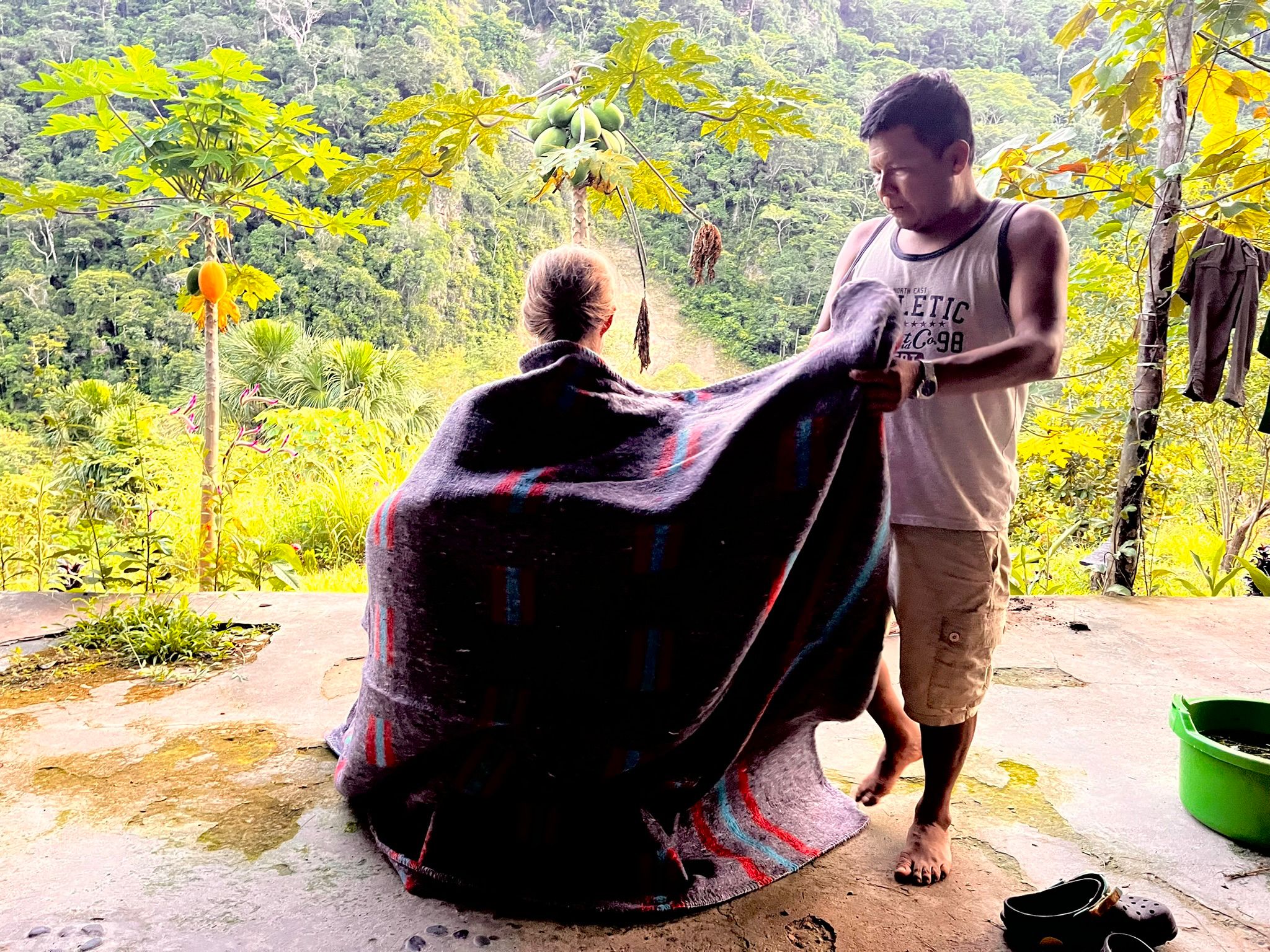
Shamanic clothing refers to garments intentionally crafted with sacred materials, traditional symbols, and ceremonial purpose to support spiritual practice and energetic alignment. Unlike mainstream spiritual fashion, authentic shamanic clothing originates from indigenous traditions where each piece carries cultural significance, intentional design elements, and connection to ancestral wisdom. These garments serve as tools for grounding, protection, and deepening spiritual connection rather than simply aesthetic choices.
What is shamanic clothing and how does it differ from regular spiritual attire?
Shamanic clothing represents garments created within indigenous traditions using sacred materials, intentional craftsmanship, and symbolic designs that honour ancestral wisdom and spiritual practice. These pieces differ fundamentally from commercialised spiritual fashion through their authentic origins, cultural significance, and the intentional energy woven into each creation by indigenous artisans who understand the ceremonial context and sacred purpose behind their work.
The distinguishing characteristics of authentic shamanic clothing include the use of natural materials such as plant fibres, natural dyes, and hand-woven textiles that maintain connection to the earth. Traditional designs often incorporate sacred geometry, cosmological maps, and symbols that carry specific meanings within indigenous spiritual frameworks. For example, Shipibo textiles from the Peruvian Amazon feature intricate geometric patterns that represent cosmological maps and sacred visions experienced during ceremony, each line and curve holding intentional meaning rather than serving purely decorative purposes.
Authentic shamanic clothing emerges from lineages where knowledge passes directly from teacher to student, maintaining cultural integrity and spiritual purpose. These garments are created by artisans who understand the energetic properties of materials, the significance of colours, and the proper context for wearing sacred pieces. This stands in stark contrast to mass-produced spiritual fashion that borrows aesthetic elements without understanding or honouring their cultural origins, often resulting in cultural appropriation rather than genuine spiritual connection.
How does wearing shamanic clothing affect your spiritual practice?
Wearing intentionally crafted shamanic clothing can support spiritual practice by serving as a physical reminder of sacred intention, helping practitioners enter a focused state of awareness during meditation or ceremony. The natural materials, traditional symbols, and conscious creation process may enhance feelings of grounding and energetic alignment, creating a tangible bridge between everyday consciousness and deeper spiritual states without guaranteeing specific outcomes for every individual.
The psychological effects of wearing ceremonial clothing include heightened awareness, increased reverence for practice, and a sense of stepping into sacred space. When you consciously choose to wear a piece created with spiritual intention, you signal to yourself that you are entering a different quality of presence. This intentional transition can deepen meditation, enhance focus during breathwork, and support the internal shift needed for meaningful spiritual work.
Natural materials used in authentic shamanic clothing, such as cotton, wool, and plant-based fibres, allow the body to breathe and maintain comfortable temperature regulation during extended practice sessions. These materials lack the synthetic barriers that can create discomfort or distraction, supporting sustained presence and focus. The sacred symbols woven or embroidered into these garments carry the intention of their creators, potentially serving as visual anchors for meditation or reminders of spiritual principles you wish to embody.
The energetic dimension of shamanic clothing relates to the conscious creation process itself. When artisans craft pieces with spiritual awareness, prayer, or ceremony, they infuse the work with their intention and connection to tradition. Wearing such pieces can create a sense of connection to the lineage and wisdom they represent, supporting practitioners in feeling part of something larger than individual practice alone.
What should you look for when choosing authentic shamanic clothing?
Authentic shamanic clothing should demonstrate direct relationships with indigenous artisans, fair trade practices, traditional crafting methods, and natural materials that honour both cultural heritage and environmental sustainability. Look for transparent sourcing information, evidence of community support, and sellers who prioritise cultural education and respect over commercialisation, ensuring your purchase supports indigenous communities rather than exploiting their traditions.
Key considerations when selecting shamanic clothing include verifying the origin of pieces through sellers who maintain direct connections with indigenous communities and can share the stories behind their products. We work directly with artisans from Peruvian indigenous communities, ensuring that each piece supports sustainable livelihoods whilst preserving traditional crafting knowledge. This direct relationship model ensures fair compensation and cultural respect rather than exploitative middleman arrangements.
Natural materials represent another essential criterion for authentic shamanic clothing. Traditional pieces use plant fibres, natural dyes derived from roots and minerals, and hand-woven textiles that maintain energetic connection to the earth. Synthetic materials and chemical dyes disconnect garments from their natural origins and can compromise both comfort and the energetic qualities valued in spiritual practice. Authentic pieces feel different to the touch, breathe naturally, and age beautifully rather than degrading like synthetic alternatives.
Cultural appropriation awareness should guide your selection process. Authentic shamanic clothing comes with context, education, and respect for the traditions it represents. Sellers committed to ethical practices provide information about the cultural significance of designs, appropriate contexts for wearing sacred pieces, and guidance on honouring indigenous wisdom. Avoid sellers who treat sacred symbols as mere fashion trends or who cannot explain the cultural origins and proper use of their products.
Traditional crafting methods distinguish authentic pieces from mass-produced imitations. Hand-weaving, natural dyeing processes, and techniques passed through generations create garments with unique character and energetic quality. These methods take time, skill, and cultural knowledge, reflected in both the quality of finished pieces and their pricing. Authentic shamanic clothing represents fair compensation for skilled artisan work rather than exploitative fast-fashion pricing.
How do you integrate shamanic clothing respectfully into your spiritual journey?
Respectful integration of shamanic clothing involves understanding the cultural context and symbolism of pieces, wearing them with intention during spiritual practice rather than as casual fashion, and maintaining reverence for the indigenous wisdom they represent. Approach these garments as sacred tools that support your practice, taking time to learn their stories, setting clear intentions when wearing them, and recognising them as bridges to deeper connection rather than costumes or status symbols.
Begin by educating yourself about the specific traditions and communities your clothing originates from. Understanding the cultural context transforms wearing shamanic clothing from appropriation into respectful engagement. Learn about the symbols woven into textiles, the traditional uses of specific garments, and the spiritual principles they embody. This knowledge deepens your connection to the pieces and honours the wisdom of the communities who created them.
Set intentions when dressing in shamanic clothing for spiritual practice. This might involve a moment of gratitude for the artisans who created the piece, acknowledgement of the indigenous traditions it represents, or a clear statement of your purpose for practice. This intentional approach creates sacred context and reinforces that you are wearing these garments for spiritual connection rather than aesthetic display. Consider reserving certain pieces specifically for meditation, ceremony, or retreat settings rather than everyday wear.
Maintain the energetic quality of shamanic clothing through respectful care and storage. Many practitioners keep ceremonial garments in dedicated spaces, treating them with the same reverence as other spiritual tools. Some traditions suggest cleansing practices such as exposure to sunlight, smoke from sacred plants, or intention-setting to refresh the energetic quality of pieces between uses. These practices honour the sacred nature of the clothing whilst maintaining your personal connection to them.
Recognise shamanic clothing as a bridge to deeper engagement with indigenous wisdom rather than an endpoint in itself. Wearing authentic pieces can inspire curiosity about the traditions they represent, leading to further learning, respectful participation in ceremonies when appropriate, and support for indigenous communities. This ongoing relationship transforms shamanic clothing from mere objects into living connections to ancestral wisdom and contemporary indigenous cultures.
The spiritual journey supported by shamanic clothing deepens when approached with humility, respect, and genuine desire to learn. These garments serve as reminders of the vast wisdom preserved by indigenous communities, inviting practitioners to engage with spiritual traditions that have supported human connection to the sacred for generations. By wearing these pieces with consciousness and care, you honour both your own spiritual path and the communities whose wisdom continues to guide seekers towards authentic connection and transformation.
Recent Comments