
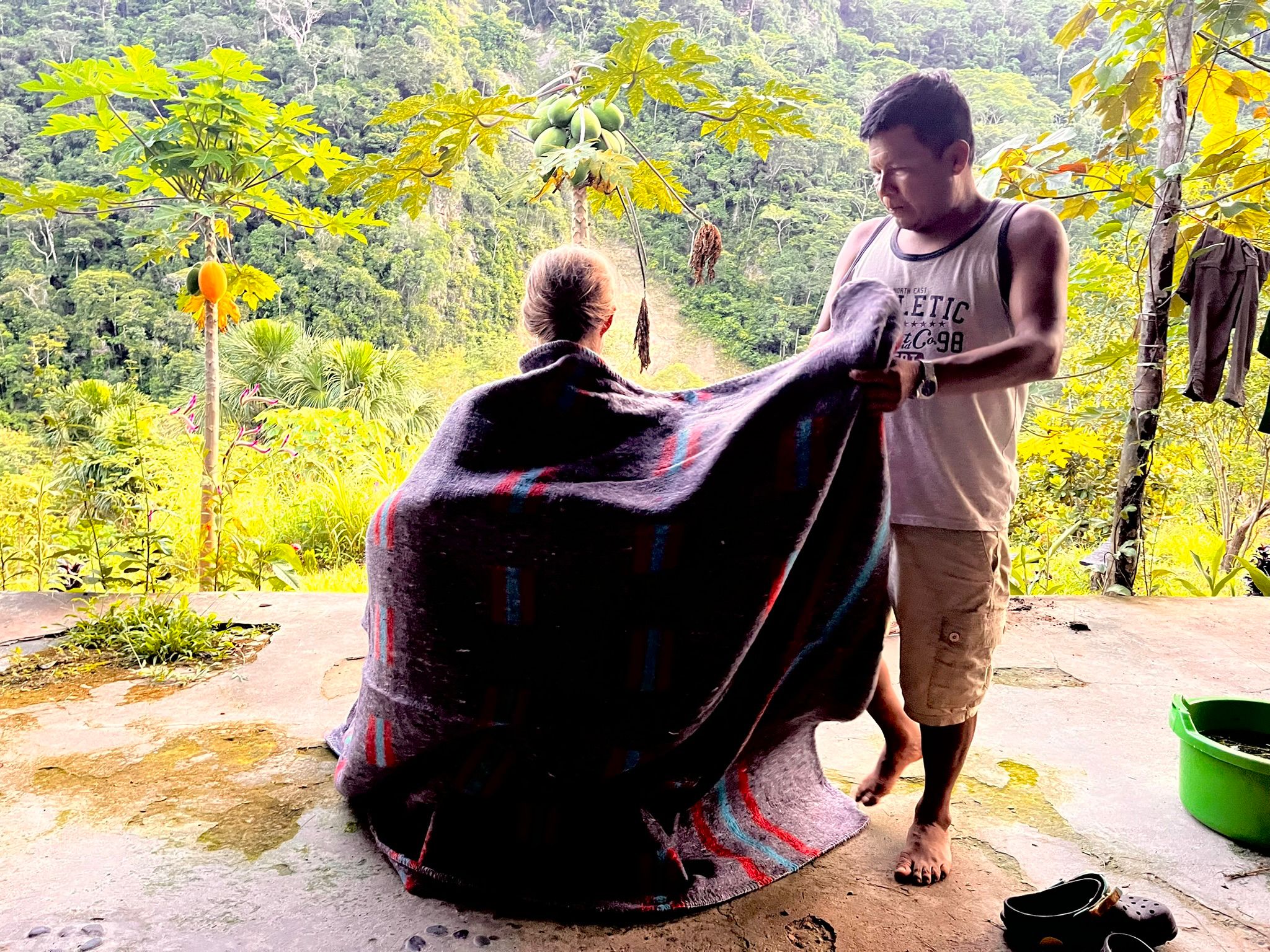
Shamanic jewellery serves as a physical connection to indigenous spiritual traditions, supporting meditation, grounding, and energetic awareness through intentional design and sacred symbolism. These handcrafted pieces carry the cultural wisdom of Amazonian and Andean communities, offering wearers a tangible link to ancestral healing practices. Understanding the origins, purposes, and respectful use of spiritual healing jewellery helps you integrate these sacred tools meaningfully into your personal practice.
What is shamanic jewellery and where does it come from?
Shamanic jewellery refers to handcrafted adornments created by indigenous artisans using traditional methods, natural materials, and sacred symbols rooted in ancestral spiritual practices. These pieces originate primarily from Amazonian and Andean communities where shamanic traditions remain living practices rather than historical artefacts. Unlike mass-produced spiritual jewellery, authentic indigenous healing jewellery carries the intention and cultural knowledge of the artisans who create each piece by hand.
The materials used in traditional shamanic jewellery include natural Amazonian plant fibres, seeds from sacred plants, wood, bone, and woven textiles featuring ceremonial patterns. Shipibo communities, for example, create intricate geometric designs called kené that represent cosmic maps and spiritual visions experienced during ayahuasca ceremonies. These patterns aren’t merely decorative—they embody the spiritual cosmology and healing intentions of the culture.
In Andean Quechua traditions, artisans craft pieces that honour Pachamama (Mother Earth) and the apus (mountain spirits), using materials that maintain connection to the natural world. The crafting process itself often involves ceremonial preparation, with artisans working in states of focused intention or after participating in plant dietas—extended periods of isolation and fasting that deepen their connection to plant spirits and ancestral wisdom.
This connection to ceremonial practices distinguishes authentic shamanic jewellery from commercial spiritual jewellery. Each piece serves as more than decoration; it functions as a physical reminder of interconnectedness with nature and the spirit world, principles central to shamanic worldviews across indigenous cultures.
How does shamanic jewellery work for spiritual healing?
Shamanic jewellery supports spiritual healing through the combination of intentional crafting processes, sacred geometry, and connection to natural elements rather than through any inherent magical properties. The healing relationship develops between the wearer’s intention and the symbolic meaning embedded in the piece. When worn with awareness, these adornments serve as focal points for meditation, reminders of spiritual commitments, and tools for maintaining energetic awareness throughout daily life.
The energetic principles behind spiritual jewellery benefits relate to how physical objects can anchor attention and intention. Sacred geometry and traditional symbols act as visual reminders that help practitioners maintain present-moment awareness, similar to how prayer beads support meditation practice. The natural materials—seeds, fibres, and wood—carry associations with living plants and ecosystems, reinforcing the wearer’s connection to nature.
In indigenous contexts, the relationship between shaman and spirit world involves direct communication through altered states, dreams, and ceremonial practice. Shamanic tools including jewellery serve as bridges in this communication, helping practitioners enter focused states conducive to inner work. The repetitive patterns found in Shipibo textiles and seed arrangements can support meditative focus, whilst spirit animal representations remind wearers of qualities they wish to cultivate.
We recognise that spiritual protection jewellery functions through psychological and symbolic mechanisms rather than supernatural forces. Wearing a piece crafted with intention can strengthen your own intentions, creating a feedback loop between the physical object and your inner state. This relationship grows through consistent use, personal reflection, and integration into regular spiritual practices like meditation or breathwork.
What are the different types of shamanic jewellery and their purposes?
Traditional healing jewellery encompasses several distinct forms, each serving specific purposes within spiritual practice. Seed jewellery crafted from Amazonian plant fibres represents one of the most authentic forms, using materials like huayruro seeds (known for their distinctive red and black colouring) and açaí seeds. These natural materials maintain connection to the rainforest ecosystem and the plant spirits honoured in shamanic traditions.
Symbol-embedded earrings and necklaces feature representations drawn from indigenous cosmology. Spirit animal designs—such as owl imagery representing wisdom and night vision, or serpent motifs symbolising transformation and healing—serve as reminders of qualities the wearer seeks to develop. Floral patterns like sunflower designs represent vitality, growth, and connection to solar energy, whilst heart-opening symbols support practices focused on compassion and emotional release.
Protective amulets and ceremonial adornments often incorporate sacred geometry and traditional patterns. Shipibo kené designs function as visual representations of the icaros (healing songs) sung during ayahuasca ceremonies, translating sound vibration into visual form. These geometric patterns are believed to interact with the wearer’s energetic field, supporting clarity and alignment.
Purpose-specific pieces include:
- Grounding jewellery: darker materials and earth-connected symbols that support stability and present-moment awareness
- Heart-opening pieces: designs featuring flowers, hearts, or circular patterns that encourage emotional availability
- Wisdom-connecting adornments: owl, serpent, or elder tree imagery supporting insight and discernment
- Energy-clearing tools: pieces worn during meditation or breathwork to maintain focused intention
Solar and lunar symbolism appears frequently, with sun representations supporting active, creative energy whilst moon imagery encourages receptivity, intuition, and inner reflection. The specific purpose of each piece develops through the wearer’s relationship with it rather than being fixed or universal.
How do you choose authentic shamanic jewellery for your spiritual practice?
Selecting genuine indigenous-crafted jewellery requires attention to several key factors that distinguish handmade traditional pieces from mass-produced imitations. Authentic shamanic jewellery shows slight variations and imperfections characteristic of handwork, whilst factory-made pieces display uniform perfection. Natural materials like seeds, plant fibres, and wood exhibit organic irregularities in colour, size, and texture that synthetic materials cannot replicate.
Ethical sourcing and fair trade principles form the foundation of responsible purchasing. Genuine pieces come with information about the artisan community, the materials used, and how the purchase supports indigenous livelihoods. We maintain direct relationships with artisan communities in Peru and other regions, ensuring that traditional craftspeople receive fair compensation and that cultural knowledge remains with its originators.
Cultural appropriation concerns arise when sacred symbols are removed from their context and commodified without respect for their origins. When choosing spiritual jewellery, consider whether the seller provides cultural context, acknowledges the indigenous source, and demonstrates ongoing relationship with the communities creating the work. Avoid pieces that claim specific healing powers without explaining the cultural framework from which those understandings emerge.
Material authenticity indicators include:
- Natural colour variations in seeds and fibres
- Hand-tied knots rather than machine stitching
- Organic materials that show subtle texture and grain
- Traditional patterns that reflect specific cultural styles
- Information about the artisan or community who created the piece
Your personal spiritual intentions should guide selection. Choose pieces that resonate with your current practice needs—whether grounding, heart-opening, or wisdom-seeking. The jewellery should feel like a natural extension of your spiritual work rather than a fashion accessory. Quality craftsmanship, cultural authenticity, and personal resonance all contribute to a piece that will support your practice over time.
How should you care for and use shamanic jewellery respectfully?
Integrating shamanic jewellery into your spiritual practice begins with understanding that these pieces function as sacred tools rather than mere decoration. Wear them during meditation, breathwork, or other contemplative practices to establish association between the physical object and your inner state. Over time, putting on the jewellery can serve as a trigger that helps you shift into a more centred, aware consciousness.
Energetic maintenance of spiritual jewellery involves regular cleansing practices that honour both the physical materials and the symbolic significance. Natural materials benefit from gentle physical cleaning—wiping with a soft cloth and occasionally exposing to fresh air and indirect sunlight. Some practitioners use smoke from sacred plants like palo santo or copal resin to ceremonially cleanse pieces, though this should be done with awareness of the cultural context of such practices.
Respectful use requires acknowledging the indigenous traditions from which these pieces originate. This means learning about the specific culture and symbols represented in your jewellery, understanding the broader context of shamanic healing practices, and avoiding the assumption that wearing the piece automatically grants you access to indigenous wisdom. The jewellery serves as a bridge to deeper learning and respect rather than a shortcut to spiritual attainment.
Practical care guidelines include:
- Store pieces separately to prevent tangling and damage to natural materials
- Remove jewellery before water exposure, as many natural seeds and fibres are sensitive to moisture
- Handle with clean hands and conscious intention rather than treating casually
- Periodically set aside time to sit with the piece, reflecting on its meaning in your practice
- Share the cultural story behind the jewellery when others ask, honouring its origins
Understanding when and how to use these sacred tools involves discernment. Wear your shamanic jewellery during practices that align with its purpose—meditation sessions, ceremony, or times when you need support maintaining spiritual awareness. Some practitioners choose to wear pieces daily as constant reminders, whilst others reserve them for specific spiritual work. Both approaches can be respectful when done with genuine intention and cultural awareness.
The relationship between traditional shamanic practices and modern spiritual seekers requires ongoing attention to ethics and authenticity. By choosing fairly traded pieces, learning about their cultural context, and using them as tools for deepening rather than replacing genuine practice, you honour both the indigenous wisdom traditions and your own spiritual growth journey.
Recent Comments