
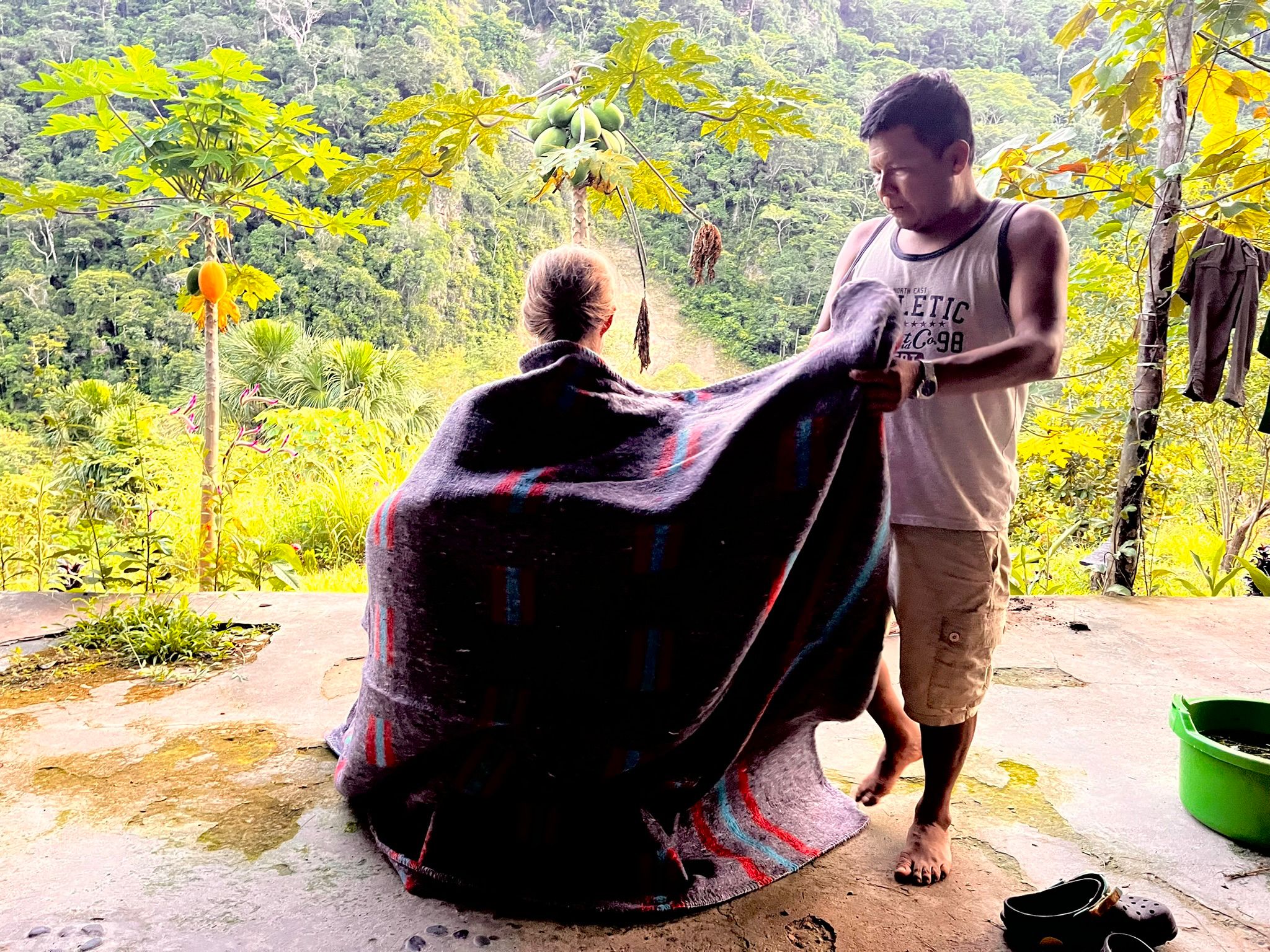
Choosing authentic shamanic clothing in 2025 requires understanding traditional craftsmanship, verifying indigenous origins, and ensuring ethical sourcing. Authentic shamanic clothing carries cultural symbolism and sacred meaning, distinguishing it from mass-produced imitations. This guide addresses the essential questions about selecting genuine ceremonial garments that honour indigenous traditions whilst supporting the communities who create them.
What makes shamanic clothing authentic and culturally respectful?
Authentic shamanic clothing originates from indigenous communities and reflects traditional craftsmanship passed through generations. These garments incorporate sacred symbols, natural materials, and construction methods specific to their cultural lineage. Unlike commercial imitations, genuine ceremonial attire serves spiritual purposes within specific traditions and carries meanings understood by the communities who create them.
Authenticity matters because these garments represent living spiritual traditions. When you wear ceremonial clothing without understanding its sacred context, you risk reducing profound cultural heritage to mere aesthetic choices. Genuine shamanic attire often includes specific patterns that function as spiritual maps or protective symbols, much like the Shipibo textiles from the Amazon that represent cosmic visions and healing intentions.
Cultural respect means recognising that not all ceremonial garments are meant for outside use. Some pieces are reserved for initiated practitioners or specific ceremonies. Before acquiring any shamanic clothing, consider whether the garment’s sacred purpose aligns with your spiritual practice and whether you have permission or guidance to wear it. This approach honours the wisdom keepers who maintain these traditions whilst avoiding appropriation.
How can you identify genuine indigenous craftsmanship in ceremonial clothing?
Genuine indigenous craftsmanship reveals itself through hand-stitched details, natural materials, and traditional weaving techniques. Look for slight variations in pattern repetition, irregular edges, and the texture of natural fibres like cotton, alpaca wool, or plant-based materials. These imperfections indicate human hands rather than industrial production, and they add character that reflects the artisan’s connection to their work.
Traditional shamanic textiles use natural dyes derived from plants, minerals, and insects, creating colours that age beautifully and carry subtle variations. Machine-made replicas typically use synthetic dyes that appear uniform and overly bright. Examine the fabric’s reverse side: handwoven textiles show the same pattern clarity on both sides, whilst printed fabrics reveal a blank or faded backing.
Symbolic patterns in authentic ceremonial clothing follow specific cultural meanings. Amazonian traditions often incorporate geometric designs representing plant spirits, animals, or cosmological concepts. These patterns aren’t randomly decorative but serve as visual languages within their traditions. When you understand the difference between machine-printed approximations and hand-created sacred symbols, you can better recognise genuine indigenous artisan clothing.
What questions should you ask before purchasing shamanic clothing?
Before purchasing, ask sellers which specific indigenous community created the garment and whether they maintain direct relationships with these artisans. Enquire about the artisan’s involvement in design and production, fair trade practices, and whether proceeds support the community. Transparent sellers readily share this information, whilst vague answers often indicate inauthentic or exploitative products.
Essential questions include:
- Which indigenous community and region does this garment originate from?
- Did the community give permission for these designs to be shared commercially?
- What materials were used, and how were they sourced sustainably?
- What percentage of the purchase price reaches the artisans directly?
- Can you provide information about the cultural significance of the patterns or symbols?
- Does the community support external use of these ceremonial garments?
Red flags include sellers who cannot name specific communities, use terms like “inspired by” indigenous designs without community collaboration, or offer prices significantly lower than fair compensation would allow. Genuine suppliers understand the cultural context and can explain the spiritual significance of what they offer.
Where should you buy authentic shamanic clothing in 2025?
Purchase authentic shamanic clothing from verified indigenous artisan cooperatives, ethical fair trade organisations, and specialised retailers with transparent supply chains. The most trustworthy sources maintain direct relationships with indigenous makers, ensure fair compensation, and respect cultural protocols. These businesses often share artisan stories, community backgrounds, and detailed information about traditional techniques.
We work directly with indigenous communities in Peru and the Amazon, supporting artisans who create traditional ceremonial items using methods passed through generations. This direct connection ensures that the majority of your purchase supports sustainable livelihoods whilst preserving cultural heritage. Look for similar businesses that prioritise community relationships over mass production.
Avoid mass-market retailers and large e-commerce platforms that commonly sell appropriated or inauthentic versions. These sources rarely verify origins or ensure fair compensation, and their products often reduce sacred symbols to trendy patterns. Indigenous-owned businesses, cultural centres, and organisations with documented community partnerships offer the most reliable access to genuine shamanic clothing whilst supporting cultural preservation.
How do you honour the sacred purpose of shamanic clothing in your practice?
Honouring shamanic clothing’s sacred purpose requires understanding its ceremonial context and using garments only in appropriate spiritual settings. Before wearing ceremonial attire, seek guidance from indigenous teachers or communities familiar with that tradition. This approach ensures you respect the garment’s spiritual significance rather than treating it as costume or fashion.
Integrate authentic shamanic clothing into your practice with humility and genuine spiritual intention. Many traditions view ceremonial garments as living connections to ancestral wisdom and spirit realms. When you wear these pieces during meditation, breathwork, or ceremony, approach them with the same reverence you would sacred tools like traditional instruments or medicine objects.
Consider whether your spiritual practice genuinely aligns with wearing specific ceremonial clothing. Some garments are meant only for initiated practitioners or specific lineages. Using them without proper context or permission can be spiritually inappropriate regardless of authentic sourcing. The responsibility that comes with wearing sacred ceremonial attire includes ongoing learning about the tradition it represents and maintaining respectful relationships with the communities who created it.
What are the ethical considerations when choosing shamanic clothing?
Ethical shamanic clothing choices support fair trade principles and indigenous economic sovereignty whilst respecting cultural boundaries between appreciation and appropriation. Fair compensation ensures artisans receive living wages, communities maintain control over their cultural expressions, and traditional knowledge passes to future generations. Your purchasing decisions directly impact whether indigenous craftspeople can sustain their cultural practices.
Environmental sustainability matters because traditional shamanic clothing uses natural materials harvested through methods that respect ecological balance. Indigenous communities often maintain generations of knowledge about sustainable plant cultivation, natural dyeing, and minimal-waste production. Supporting these methods preserves both cultural wisdom and environmental health compared to industrial textile production.
Understanding power dynamics in indigenous artisan markets helps you make conscious choices. Many communities face economic pressures that make cultural heritage vulnerable to exploitation. Before purchasing, educate yourself about the specific tradition, its current challenges, and how your acquisition supports rather than extracts from the community. This responsibility includes recognising when certain ceremonial items shouldn’t be commercially available and respecting those boundaries even when sellers offer them.
Choosing authentic shamanic clothing in 2025 means prioritising cultural respect, fair trade practices, and genuine spiritual intention over aesthetic appeal. By asking informed questions, supporting direct community relationships, and honouring the sacred purposes these garments serve, you contribute to preserving indigenous wisdom whilst deepening your own spiritual practice with integrity.
Recent Comments