
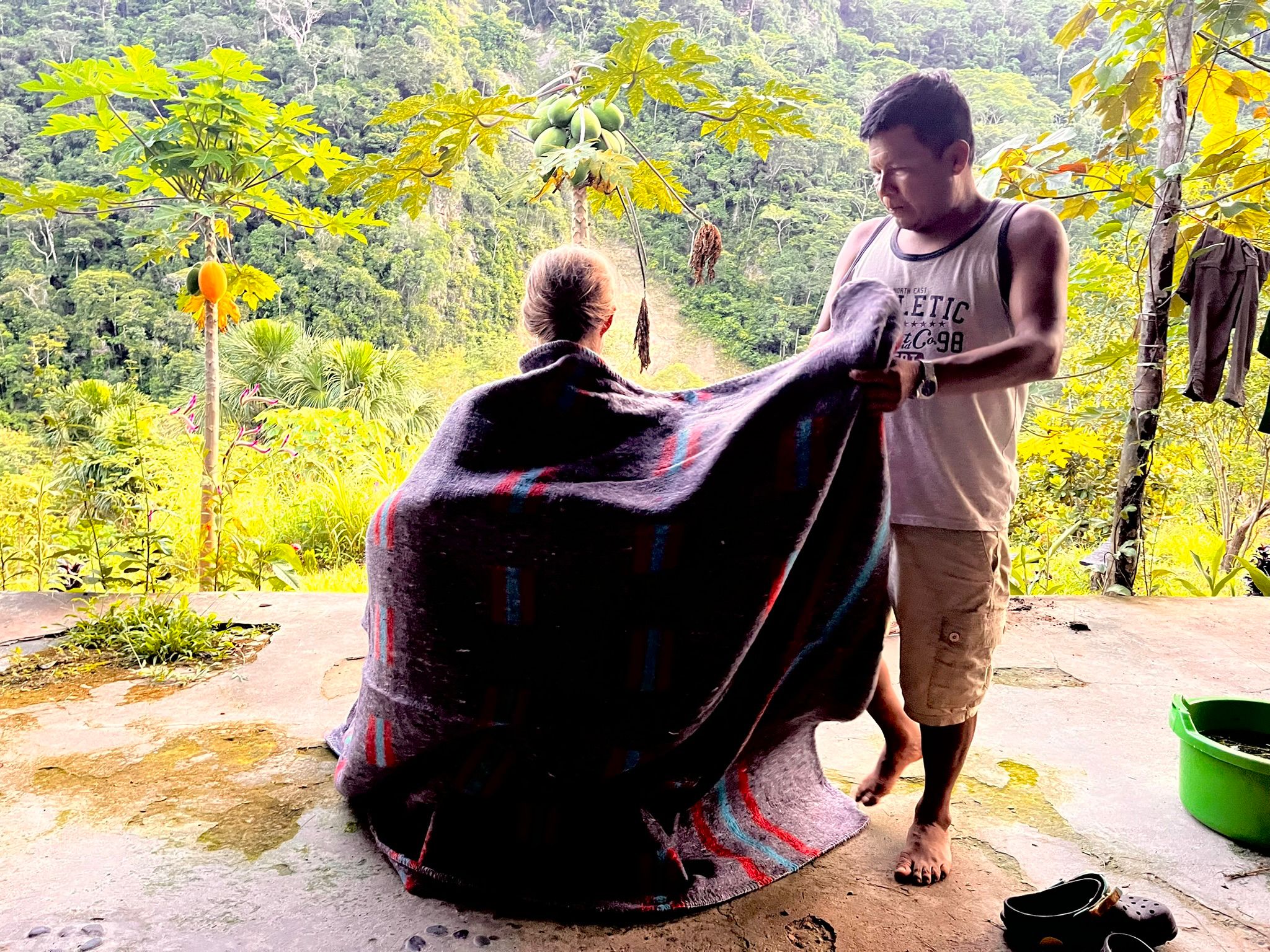
Shamanic clothing symbolises the sacred bridge between physical and spiritual realms in ceremonial practices. These garments incorporate intentional designs, sacred materials, and symbolic patterns that represent the wearer’s spiritual authority, connection to nature spirits, and role as an intermediary between worlds. Every element serves an energetic purpose rather than mere decoration.
What is shamanic clothing and why is it considered sacred?
Shamanic clothing refers to ceremonial attire worn by shamans and spiritual practitioners during rituals, healing ceremonies, and sacred work. These garments differ fundamentally from everyday indigenous clothing through their intentional spiritual design, incorporating sacred materials, protective symbols, and traditional craftsmanship passed down through generations. The clothing serves as a physical manifestation of the shaman’s spiritual authority and their ability to traverse between the physical and spiritual worlds.
The sacred nature of these garments stems from their role as energetic tools rather than fashion. Each piece is created with specific intention, often blessed or consecrated through ceremony, and treated with reverence throughout its use. The materials, colours, and patterns are chosen based on their spiritual properties and the specific work the shaman performs. In many traditions, the clothing itself is believed to carry protective energy that shields the practitioner during spirit work.
Traditional shamanic attire is typically handcrafted by skilled artisans who understand the spiritual significance of their work. The creation process often involves prayer, fasting, or other spiritual practices that infuse the garment with intention. This differs markedly from mass-produced spiritual fashion, which lacks the ceremonial context and energetic preparation that makes shamanic clothing genuinely sacred.
What do the symbols and patterns on shamanic clothing represent?
The symbols and patterns adorning shamanic clothing function as visual spiritual language that communicates with both the physical and spirit worlds. Geometric patterns often represent cosmic maps, showing the shaman’s understanding of universal order and their ability to navigate spiritual dimensions. These designs are not arbitrary decorations but encoded wisdom passed through lineages, with each shape and line carrying specific meaning and power.
Animal imagery frequently appears on ceremonial attire, representing spirit guides, totems, and the qualities the shaman embodies during their work. Feathers, bones, and representations of jaguars, eagles, serpents, and other creatures indicate the practitioner’s connection to these beings and their ability to channel their wisdom. Plant motifs connect to medicinal knowledge, showing the shaman’s relationship with healing herbs and their understanding of nature’s pharmacy.
Colour symbolism plays an equally important role in shamanic clothing. Different traditions assign specific meanings to colours based on their cultural context and spiritual understanding. Red might represent life force and vitality, white could symbolise purity and spirit connection, whilst black often indicates protection and the ability to work with shadow energies. These colours are typically derived from natural dyes, maintaining the garment’s connection to the earth.
The patterns themselves often serve as protection symbols, creating energetic boundaries that shield the wearer during vulnerable spiritual states. In some Amazonian traditions, the intricate geometric designs function similarly to how sound and vibration work in healing, creating energetic fields through visual frequency.
How does shamanic clothing support spiritual practices and healing work?
Shamanic clothing provides both practical and energetic support during spiritual ceremonies and healing rituals. The garments help practitioners enter altered states of consciousness by creating a clear distinction between ordinary life and sacred work. When a shaman puts on ceremonial attire, this physical act signals an internal shift, preparing the mind and spirit for the work ahead. The clothing becomes an anchor that helps maintain focus and intention throughout lengthy ceremonies.
The energetic protection offered by ceremonial garments allows shamans to work safely with challenging spiritual energies. During healing sessions, practitioners often absorb or transmute negative energies from those they serve. The sacred clothing acts as a buffer, preventing these energies from attaching directly to the shaman’s personal energy field. This protective function is enhanced by the blessed materials, protective symbols, and the intention woven into the garment during its creation.
Shamanic attire also signals ritual transitions to both participants and spirits. The visual impact of ceremonial dress creates sacred space, helping ceremony participants shift their consciousness and approach the work with appropriate reverence. For the spirits and energies the shaman works with, the clothing identifies the practitioner as someone trained and authorised to perform this work, establishing credibility in the spiritual realm.
The relationship between wearing ceremonial attire and embodying one’s spiritual role cannot be overstated. The clothing helps practitioners step fully into their shamanic identity, setting aside personal concerns and ego to serve as clear channels for healing energy. This embodiment allows for deeper, more effective spiritual work whilst maintaining the practitioner’s wellbeing.
What materials and elements are traditionally used in shamanic attire?
Traditional shamanic clothing incorporates natural materials chosen for their spiritual properties and energetic qualities rather than aesthetic appeal alone. Plant fibres form the base of many garments, with cotton, hemp, and other natural textiles providing breathable, earth-connected foundations. These materials maintain energetic flow and connection to nature throughout ceremonial work.
Animal elements feature prominently in shamanic attire across cultures. Feathers represent flight, transcendence, and connection to sky spirits. Bones and teeth symbolise the shaman’s relationship with death, transformation, and the ancestors. Leather and fur provide grounding energy and connection to animal spirit guides. Each element is traditionally sourced with respect, often through hunting practices that honour the animal’s sacrifice and incorporate the entire being into spiritual work.
Crystals, stones, and minerals are incorporated for their specific energetic properties. Clear quartz amplifies intention, obsidian provides protection, and turquoise facilitates communication with spirit realms. Seeds, shells, and plant materials connect the clothing to specific plant spirits and natural forces. Natural dyes derived from roots, berries, and minerals ensure the colours themselves carry earth energy.
The ethical considerations surrounding these materials have become increasingly important. We recognise that authentic shamanic clothing requires respectful sourcing practices that honour both the materials and the cultures they come from. Supporting indigenous artisans who use sustainable harvesting methods ensures these traditions continue whilst protecting the natural world these practices revere. Modern practitioners must balance authentic practice with environmental responsibility and cultural respect.
How can modern spiritual practitioners respectfully honour shamanic clothing traditions?
Modern spiritual practitioners can honour shamanic clothing traditions by understanding the crucial difference between cultural appreciation and appropriation. Appreciation involves learning the cultural context, understanding the sacred significance of these garments, and recognising that ceremonial attire carries meaning beyond its visual appeal. Appropriation occurs when people wear sacred symbols without understanding their significance, removing them from their ceremonial context, or using them as fashion statements.
The most respectful approach involves supporting indigenous artisans directly rather than purchasing mass-produced imitations. When we source handcrafted items from the communities who hold these traditions, we support sustainable livelihoods whilst ensuring authentic craftsmanship. This direct connection also provides opportunity to learn proper usage, care, and the cultural context that makes these items sacred.
Learning from authentic sources remains essential for anyone wishing to incorporate shamanic elements into their spiritual practice. This means seeking teachers who have trained within genuine lineages, who understand the cultural origins of the practices they share, and who emphasise respect for indigenous wisdom. Many traditions require years of training before practitioners earn the right to wear certain ceremonial elements, and this progression should be honoured.
Developing personal spiritual practices that honour rather than copy shamanic traditions offers a middle path. Rather than wearing traditional shamanic clothing without proper training or cultural connection, practitioners can create their own ceremonial attire that draws inspiration from shamanic principles whilst respecting cultural boundaries. This might involve working with local plants and materials, developing personal symbols through meditation and spiritual guidance, and creating garments with clear intention for one’s own practice.
Understanding shamanic clothing symbolism deepens our appreciation for indigenous wisdom and the intentionality behind spiritual practices. Whether you’re drawn to these traditions for meditation support, spiritual growth, or healing work, approaching them with respect and authenticity honours both the cultures who preserved this knowledge and your own spiritual journey. The sacred garments remind us that spiritual practice involves the whole being, and that what we wear during ceremony can profoundly affect our ability to connect with deeper dimensions of existence.
Recent Comments