
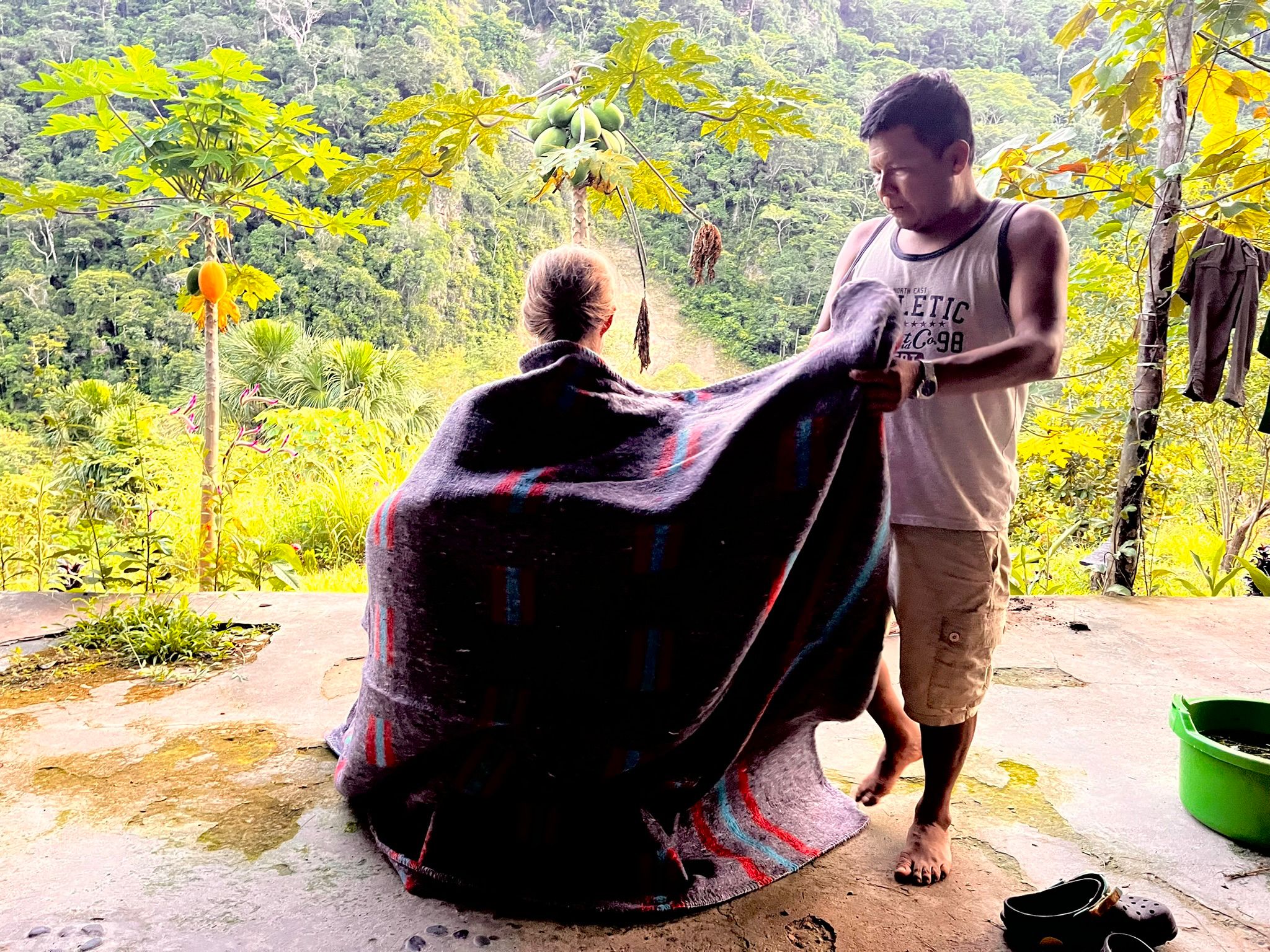
Traditional shamanic clothing draws from sacred natural materials that connect the wearer to the earth and spirit world. Indigenous cultures worldwide use plant fibres like cotton and hemp, animal materials such as leather and fur, and ceremonial adornments including feathers, shells, and sacred symbols. Each element serves both practical and spiritual purposes, chosen for its energetic properties and cultural significance within specific shamanic traditions.
What materials form the foundation of traditional shamanic clothing?
The foundation of shamanic clothing consists primarily of natural plant fibres and animal materials that come directly from the earth. Indigenous cultures use cotton, hemp, and bark cloth for base garments, whilst animal materials like leather, wool, and fur provide warmth and protection. These materials are chosen because they maintain a living connection to nature, allowing shamans to work more effectively with spiritual energies during ceremonies and healing practices.
Synthetic materials are traditionally avoided in ceremonial contexts because they lack the energetic properties found in natural fibres. Plant-based textiles carry the life force of the earth, whilst animal materials honour the spirit of the creature who gave its skin or fur. This direct relationship with nature is fundamental to shamanic practice, where everything is considered alive and interconnected.
The selection process for these materials often involves ritual preparation and gratitude ceremonies. Many shamanic traditions teach that the materials themselves hold consciousness and must be approached with respect. When creating sacred clothing materials, practitioners may fast, pray, or perform specific rituals to honour the plant or animal spirits whose physical forms will be transformed into ceremonial garments.
How are natural dyes and colours created for shamanic garments?
Natural dyes for traditional shamanic garments come from plants, roots, berries, and minerals found in the local environment. Indigenous cultures use indigo for deep blues, madder root for reds, turmeric for yellows, and walnut husks for browns. The dyeing process itself is considered a sacred ritual that imbues the garment with specific spiritual properties and intentions, transforming simple cloth into ceremonial attire.
Each colour carries profound symbolic meaning within shamanic traditions. Red represents life force, vitality, and the blood of the earth. Blue connects the wearer to spirit realms and celestial energies. Black provides protection and grounding, often used by shamans working with challenging energies. White symbolises purity and new beginnings, whilst green connects to healing and plant medicine spirits.
The preparation of natural dyes requires knowledge passed down through generations. Many traditions involve gathering plants at specific times of the lunar cycle or year when their energetic properties are strongest. The dye bath itself becomes a ceremonial space where prayers and intentions are woven into the fabric alongside the colour. This process ensures that indigenous ceremonial clothing carries not just visual beauty but also spiritual purpose and protection.
What sacred adornments and decorative elements are added to shamanic attire?
Sacred adornments transform basic garments into powerful shamanic ritual attire through the addition of feathers, shells, bones, seeds, crystals, metal ornaments, and intricate beadwork. Each element serves as a connection point to specific animal spirits, natural forces, or ancestral energies. Feathers link the shaman to bird spirits and the realm of air, whilst shells connect to water spirits and the feminine creative force.
These decorative elements are never merely aesthetic. A bear claw might channel protective strength, whilst eagle feathers facilitate communication with higher spiritual realms. Crystals and stones are chosen for their specific energetic properties, with quartz amplifying healing intentions and obsidian providing psychic protection. Seeds and plant materials maintain connection to earth spirits and the cycles of growth and renewal.
Ethical sourcing and ritual preparation are essential before any adornment is attached to ceremonial clothing. Many shamanic traditions require that feathers be found naturally rather than taken from living birds. Bones and animal materials must come from creatures that died naturally or were hunted with proper ceremony and gratitude. Each element is cleansed, blessed, and sometimes fed with tobacco or other sacred offerings before being sewn onto the garment, ensuring it carries beneficial energy rather than residual trauma.
Why do different shamanic traditions use specific materials and symbols?
Geography, climate, and available natural resources fundamentally shape the materials used in shamanic textiles across different indigenous cultures. Amazonian shamans work with lightweight cotton and vibrant plant dyes from the rainforest, whilst Arctic traditions rely on caribou hide and seal fur for warmth. Plains cultures developed elaborate beadwork and buffalo leather garments suited to their environment and the animals they lived alongside.
Cultural cosmology determines which materials are considered sacred or powerful within each tradition. In Amazonian cultures, plant spirits are recognised as intelligent teachers, making plant-based materials especially significant for ceremonial dress. The Shipibo people of Peru create intricate geometric patterns on their textiles that represent cosmic maps and sacred songs called icaros, which healers use during ceremonies. These patterns aren’t decorative but functional, carrying ancestral knowledge and spiritual protection woven directly into the fabric.
Specific weaving techniques and symbols transmit cultural wisdom across generations. The patterns in indigenous weaving traditions often encode information about healing practices, cosmological understanding, and relationships with spirit beings. What appears as simple decoration to outsiders functions as a visual language within the culture, allowing shamans to wear their knowledge and spiritual connections visibly. This integration of practical clothing with spiritual purpose demonstrates how shamanic traditions view the material and spiritual worlds as inseparable rather than distinct.
Understanding these traditional materials and their significance helps us appreciate the depth of knowledge embedded in shamanic clothing. Each thread, colour, and adornment represents centuries of relationship with the natural world and the spirit realm. When we honour these traditions with respect and integrity, we connect to ancient wisdom that views everything in nature as conscious, alive, and worthy of reverence.
Recent Comments