
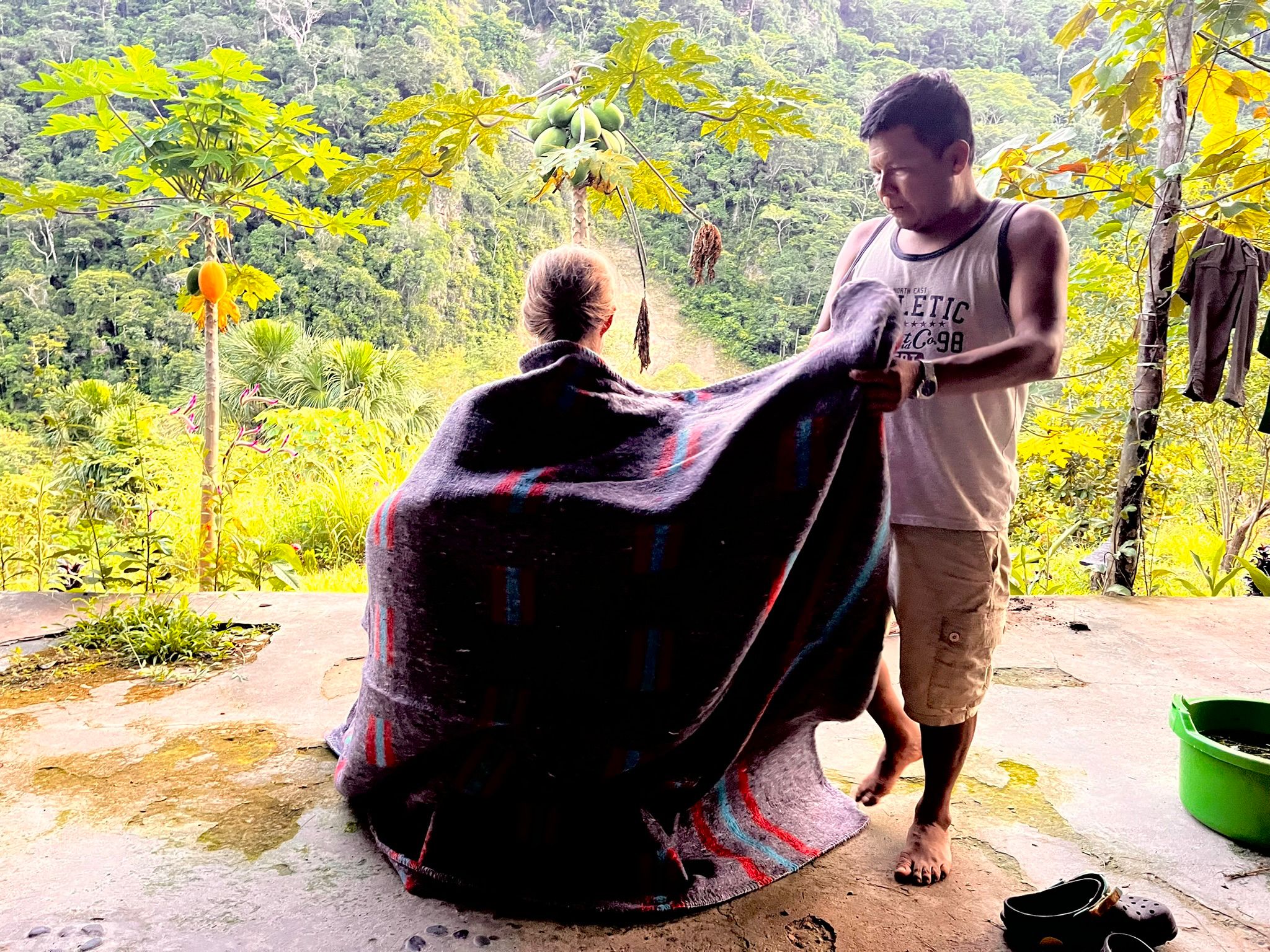
When you enter a space dedicated to spiritual practice, the clothing worn by practitioners often speaks before words are exchanged. For those of us who walk the path of conscious spiritual development, the question of what we wear during ceremony and sacred work becomes deeply significant. Shamanic clothing carries centuries of tradition, cultural wisdom, and spiritual intention, yet the modern marketplace has blurred the lines between authentic ceremonial attire and commercial reproductions. How can we honour indigenous traditions whilst building our own spiritual practice? This guide explores the essential considerations for choosing shamanic clothing that respects cultural origins, supports indigenous communities, and aligns with ethical values.
What makes shamanic clothing authentic?
Authentic shamanic clothing is distinguished by its direct connection to indigenous craftsmanship, traditional materials, and cultural origins. Unlike mass-produced garments marketed as “shamanic,” genuine ceremonial attire emerges from specific lineages and communities where these traditions remain living practices rather than historical artefacts.
The authenticity of shamanic attire rests on several foundational markers. Traditional materials play a crucial role, as indigenous artisans work with locally sourced natural fibres, plant dyes, and sacred symbols that hold specific meanings within their cultural context. For example, Shipibo textiles from the Peruvian Amazon feature intricate geometric patterns that represent cosmic maps and sacred visions received during ceremony. These designs are not merely decorative but serve as visual representations of spiritual knowledge passed through generations.
Indigenous craftsmanship involves techniques refined over centuries, often requiring years of apprenticeship to master. The creation of ceremonial clothing frequently incorporates prayer, intention, and specific timing aligned with natural cycles. This process differs fundamentally from commercial reproductions, which may replicate visual elements whilst lacking the cultural knowledge and spiritual context that give these garments their deeper significance.
Authentic shamanic clothing carries the energetic imprint of its maker’s intention, the cultural wisdom of its tradition, and the spiritual purpose for which it was created.
Understanding the distinction between genuine ceremonial garments and commercial reproductions requires recognising that authentic pieces are created within the tradition they represent, by practitioners who hold the cultural knowledge to imbue them with appropriate meaning. Commercial reproductions, regardless of visual similarity, lack this essential connection to living tradition.
Understanding cultural appropriation vs appreciation
The line between cultural appropriation and genuine appreciation can feel unclear, particularly for conscious practitioners seeking to deepen their spiritual work. Cultural appropriation occurs when elements of indigenous traditions are taken out of context, stripped of their sacred meaning, and used without understanding, permission, or benefit to the originating community. Appreciation, conversely, involves respectful engagement that honours cultural context, seeks proper permission, and supports the communities that hold these traditions.
The ethical implications extend beyond personal conduct to affect entire indigenous communities. When sacred ceremonial clothing becomes fashion or costume, it diminishes the spiritual significance these items hold for the cultures that created them. This commodification can harm indigenous peoples by trivialising their spiritual practices, undermining their cultural authority, and providing economic benefit to outsiders rather than the tradition-holders themselves.
Approaching sacred ceremonial clothing with genuine respect requires several considerations. Have you been invited to wear this particular garment by someone from the tradition it represents? Do you understand the cultural context and spiritual purpose of what you’re wearing? Are your choices supporting the indigenous artisans and communities who created these traditions, or are you purchasing from commercial entities that profit without giving back?
True appreciation involves recognising that not all spiritual practices or ceremonial items are meant for everyone. Some traditions maintain that certain garments should only be worn by initiated practitioners or members of specific communities. Respecting these boundaries demonstrates cultural humility and genuine reverence for indigenous wisdom. When we approach shamanic traditions with this level of care, we move from appropriation towards meaningful cross-cultural exchange that benefits all involved.
How to verify ethical sourcing practices
Evaluating suppliers and artisans for ethical sourcing requires asking specific questions and looking for concrete indicators of genuine community partnerships. Transparent suppliers should readily provide information about where their products originate, who creates them, and how artisans are compensated.
Begin by enquiring about direct relationships with indigenous communities. Ethical suppliers maintain ongoing partnerships with specific artisan groups, often visiting these communities regularly and establishing relationships built on mutual respect and fair compensation. Ask potential suppliers: Can you name the community or artisan who created this piece? What is your relationship with them? How are they compensated for their work?
| Ethical Indicator | What to Look For | Red Flags |
|---|---|---|
| Supply Chain Transparency | Named artisans, specific communities, documented relationships | Vague references to “indigenous sources” without specifics |
| Fair Compensation | Clear explanation of pricing that benefits artisans directly | Prices suspiciously low for handmade items |
| Cultural Knowledge | Detailed information about traditions, materials, and meanings | Generic spiritual language without cultural context |
| Community Support | Evidence of ongoing projects supporting indigenous communities | No information about how purchases benefit source communities |
Fair trade certification provides additional verification, though not all ethical suppliers pursue formal certification due to cost or accessibility barriers. Look for suppliers who demonstrate fair trade principles through their practices, even without official certification. This includes paying artisans prices that support sustainable livelihoods, maintaining long-term relationships rather than one-off transactions, and investing in community development projects.
Red flags indicating exploitative or inauthentic sourcing include suppliers who cannot or will not provide specific information about artisan partnerships, those offering mass-produced items marketed as “handmade,” and businesses that use indigenous imagery for marketing whilst providing no tangible support to indigenous communities. Trust your instincts: if something feels superficial or commercialised, it likely is.
Support indigenous artisans directly
Establishing direct relationships with indigenous craftspeople and communities represents the most ethical approach to acquiring authentic shamanic attire. Direct sourcing ensures that artisans receive fair compensation for their work, supports cultural preservation by valuing traditional skills, and facilitates authentic knowledge transmission about the spiritual significance of ceremonial items.
Finding legitimate indigenous artisan networks requires patience and research. Many indigenous communities now maintain online presences or work with ethical intermediaries who facilitate connections whilst respecting cultural protocols. Attending retreats or workshops led by indigenous teachers often provides opportunities to purchase authentic items directly, with the added benefit of receiving guidance about appropriate use and cultural context.
The benefits of direct sourcing extend beyond the transaction itself. When you purchase directly from artisans, you often receive information about the piece’s creation, its traditional use, and how to care for it respectfully. This knowledge transforms a simple purchase into an educational exchange that deepens your understanding and appreciation of the tradition. Furthermore, direct relationships allow you to ensure that your spiritual practice supports rather than exploits the cultures that developed these traditions.
Building these connections requires approaching indigenous artisans with humility and respect. Recognise that you are entering a relationship, not merely making a purchase. Be patient with communication barriers, respect cultural protocols, and understand that some items may not be available to you if they hold sacred significance reserved for initiated practitioners. This respectful approach honours the wisdom that conscious practitioners seek to integrate into their spiritual work.
As you develop your spiritual practice, remember that the clothing you choose reflects your values and intentions. By prioritising authenticity, respecting cultural boundaries, verifying ethical sourcing, and supporting indigenous artisans directly, you ensure that your practice contributes to the preservation and honouring of shamanic traditions. The path of conscious spiritual development asks us to consider not only our personal growth but also our impact on the communities and traditions that share their wisdom with us. When we choose authentic shamanic clothing sourced ethically, we participate in a reciprocal relationship that sustains indigenous cultures whilst enriching our own spiritual journey.
Recent Comments